
Transforming the Role of Account Teams
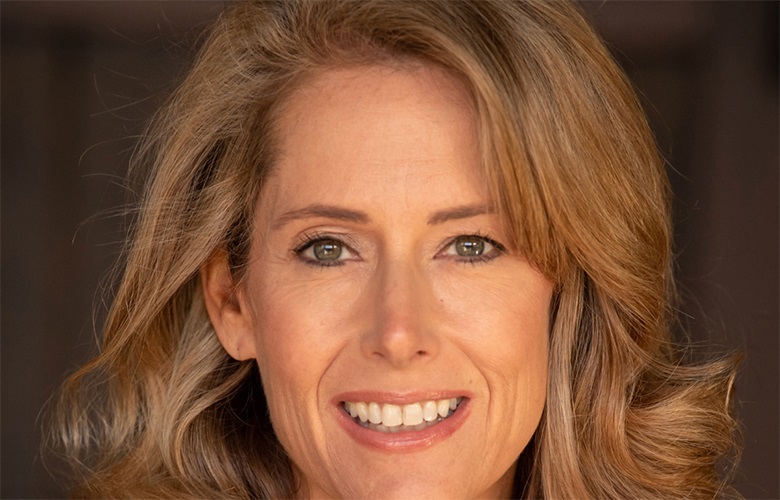
By Leslie Griles, Chief Client Officer & Interim Head of Creative, Dotted Line Agency
Too many account leaders think their job is to manage creative. They’re wrong. Their job is to protect it. Failing to make this distinction creates work that’s safe to approve, but impossible to remember.
Much of this challenge stems from the frequent conflict between agency account and creative teams. It’s not that they want different things; it’s that they’re operating under different kinds of pressure. Account teams optimize for speed, clarity, and client comfort. Creatives need time, ambiguity, and permission to be wrong before they’re right. When those two forces collide without someone actively protecting the creative process, the result is almost always a campaign of little character and even less impact.
I’ve seen this first-hand. For the past several months, I’ve been running both the client side and creative side of Dotted Line Agency, and it has become clear that the account function has to be creative’s primary protector. It’s not an easy transformation, and most agencies haven’t made this shift. But they should and here are some ways to make it happen.
1. Stop Optimizing for Speed
Account teams don’t set out to damage creative work. But that’s what happens when they focus exclusively on compressed timelines, clean handoffs, and efficient processes designed to move things forward before the work is ready to move. Simply put: Speed kills.
When you squeeze the creative process, you restrict the thinking. A creative team that hasn’t had enough time to be wrong isn’t going to take a risk when time is running out. They’re going to make something that can be approved. That’s a rational response to an irrational system.
The fix comes from intentional patience at the right moments. Build timelines backward from the date the work needs to exist, not forward from the date the client wants it. Protect the early phase of creative development instead of sacrificing it when you come under client pressure because that’s the time when the best ideas are found.
2. Protect the Mess
Breakthrough creative never arrives fully formed. It’s almost always born from unrefined and fragmented thoughts that are built on over time. In my early years at Martin, I learned the thing nobody teaches you in account management: The best work lives in the mess. Unfortunately, the people most responsible for protecting that mess – the account teams – are usually the ones most pressured to clean it up.
Great creative ideas need space to wander, to double back, and to sit in the tension a little longer before committing to a direction. The instinct of account people is to smooth the path between client anxiety and creative freedom. That’s understandable. It’s also wrong. The job isn’t to shorten the distance. It’s to protect the territory in between.
Here’s one way to make that happen. Account teams need to deliver briefs that are fully interrogated, with every ambiguity answered. That way, the creative team can walk into ideation with just one open question: What’s the best possible idea?
3. Don’t Ask So Many Questions
One of the most damaging things an account leader can do in a creative review is to ask too many questions. Don’t get me wrong; questions are important. But a constant barrage conveys anxiety. It signals to the creative team that the work isn’t safe. And that can keep them from taking big swings.
You’ve probably seen this happen.. A creative team presents something genuinely surprising.
Before they’re finished, someone from accounts asks, “What does the client think about the tone?” Then, “Is this on-brief?” Then,: “Have we thought about how this works on mobile?” Each question is reasonable. Collectively, they communicate that accounts can’t protect the creative.
Instead, account teams need to sit with the discomfort of not reacting immediately. Watch the work. Then find the one question that actually matters and ask only that. It sounds small, but it changes everything.
4. Make Trust a Functional Requirement
Work that lasts is work that was protected. Someone in the room held the line when it would have been easier to soften it.
That protection is only possible when creative teams trust that someone has their back. Not trust as a value you put on the wall, but trust as a functional requirement of the work. When creative teams feel protected, they push past the safe, forgettable answer toward the one that actually earns attention. And the account team is the single biggest determinant of whether or not that trust exists.
Running both account and creative simultaneously, I’ve seen what happens when that trust is present… and what it costs when it isn’t. Our best work has come from moments when the creative team felt certain I would defend the idea, not manage it into something easier to sell.
Account leaders who make the shift from managing creative to protecting it don’t just produce better work. They build the kind of creative culture that attracts better talent, earns better clients, and makes work worth talking about long after the campaign ends. That’s the job. Not process. Not management. Protection.
By Leslie Griles, Chief Client Officer & Interim Head of Creative, Dotted Line Agency
Source: Dotted Line Agency

Great Creative Isn’t Managed, It’s Protected added by newsroom on
View all posts by newsroom →
You must be logged in to post a comment Login