
In regular a Q&A session, Jenny Stanley, Managing Director at Appetite Creative explores the key trends, around sustainability and regulation, facing experts from across the advertising and packaging industry.
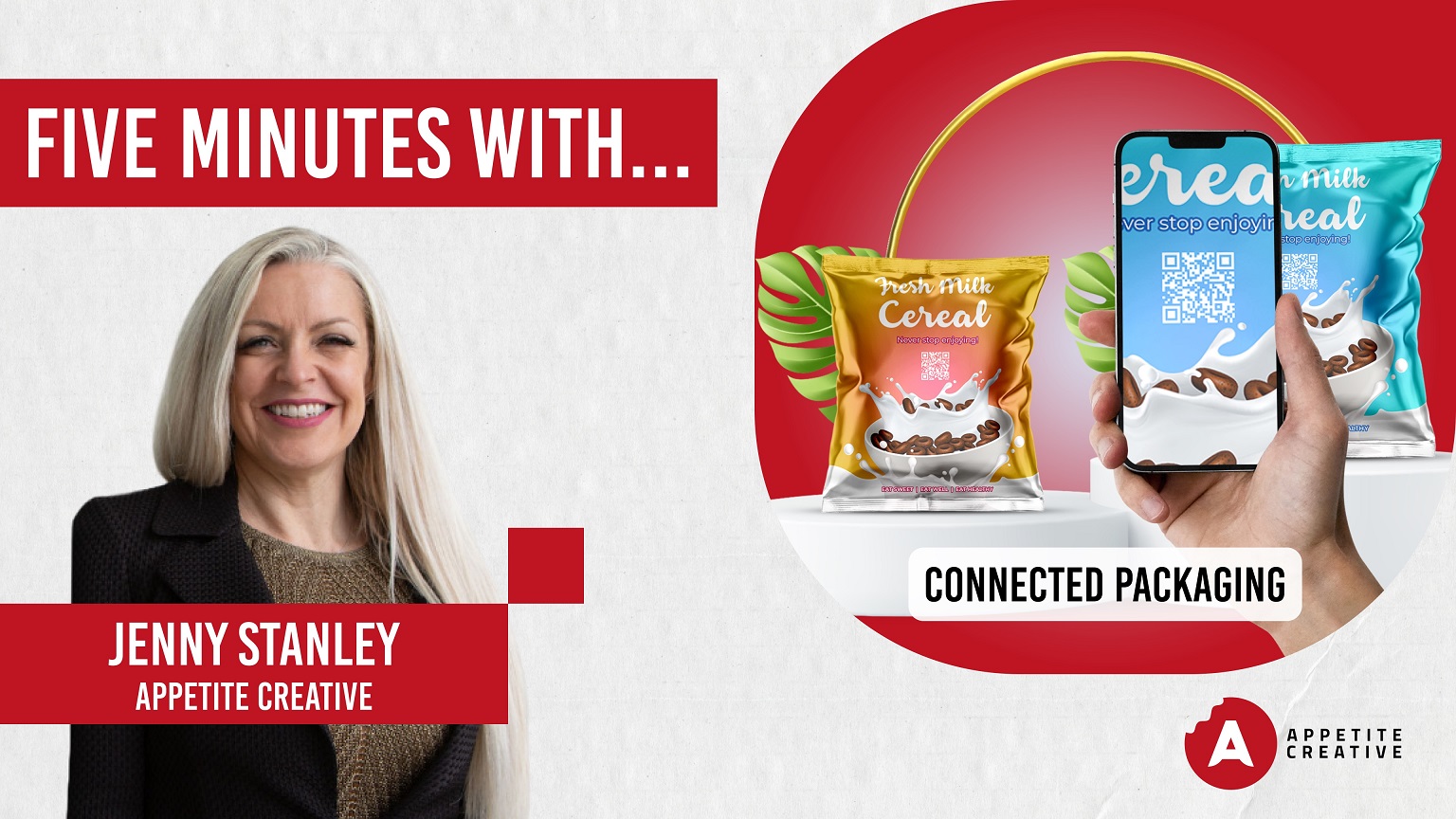
This conversation is with Güneri Tugcu, Global Director Partnerships & Business Development at CNCT by rpac.
- Can you walk us through how connected packaging helps bridge that gap – where brands can’t say everything on the box but can say it digitally?
Connected packaging turns a static object into a dynamic access layer. Instead of treating the pack as the primary storytelling surface, it becomes a compliant signpost to a product-specific digital identity.
That shift is critical in a regulated environment. On-pack, brands need to be minimal, precise, and legally defensible. Off-pack, they can provide depth: material composition, sourcing data, certifications, recyclability instructions by region, lifecycle impact, and updates as those data points evolve.
The real value isn’t just more space. It’s a different type of communication. Sustainability claims move from marketing language to evidence-backed data. Instead of “trust us,” brands can say “here’s the dataset.” That changes the trust architecture entirely.
It also creates agility. Regulations will continue to change. Sustainability data will continue to evolve. A digital layer can be updated in real time without redesigning packaging or reprinting stock. That makes connected packaging a structural solution, not a campaign tool.
So, this isn’t about adding a QR code. It’s about giving every product a verifiable digital identity that can carry regulatory, sustainability, and engagement data across its entire lifecycle.

- How should brands be thinking about extended producer responsibility (EPR) compliance differently now – is the packaging itself the compliance tool, or is the digital experience where the real documentation happens?
EPR exposes a structural flaw in how we think about compliance. We’re still trying to force dynamic, product-level obligations into a static, space-constrained medium.
Packaging can signal compliance, but it cannot be the compliance system. EPR requires auditable data: material breakdowns, recyclability by region, collection instructions, reporting readiness, and traceability across the value chain. None of that fits meaningfully on-pack.
The real compliance layer is digital. It’s the product’s digital identity, linked through connected packaging, that carries the structured data regulators and producers need. That’s where documentation lives. That’s what can be updated, versioned, audited, and localized.
Seen this way, EPR isn’t just a reporting obligation. It’s an architecture challenge. Brands that treat it as a paperwork problem will build brittle, siloed solutions. Brands that treat it as a digital product infrastructure problem will build something scalable.
Connected packaging is how you operationalize EPR at product level, not just at portfolio level – and that distinction will matter as regulation tightens.
- With digital product passports coming and supply chain transparency becoming mandatory in some markets, is connected packaging the bridge technology brands need right now?
Yes, and more importantly, it’s not a temporary bridge. It’s the foundation layer.
Digital Product Passports will require brands to expose structured, product-level data across the value chain and to consumers. That’s not a future concept. It’s an operational reality that’s arriving market by market.
Connected packaging is the most pragmatic way to link physical products to digital identities at scale. It enables interoperability between compliance systems, sustainability reporting, traceability platforms, and consumer experiences, all through a single access point.
What most brands miss is that this doesn’t have to be built twice. The same infrastructure that supports DPP and regulatory disclosure can also power authentication, loyalty, circularity initiatives, end-of-life guidance, and post-purchase engagement.
So rather than creating isolated compliance tools and disconnected marketing experiences, brands can invest in one digital product layer that serves both regulatory and commercial objectives.
In that sense, connected packaging isn’t a transition technology. It’s the connective tissue between regulation, sustainability, and the next generation of consumer engagement.
Source: Appetite Creative

Five Minutes With Jenny Stanley and Güneri Tugcu added by newsroom on
View all posts by newsroom →
You must be logged in to post a comment Login