
Vistar Media, the leading global provider of technology solutions for out-of-home (OOH) media and part of T-Mobile Advertising Solutions, in partnership with Omnicom Media and Annalect, today published “The store locator effect: How store information moves audiences from screen to store.” This new research study examines how the placement and design of store locators in programmatic digital out-of-home (DOOH) ad creatives shapes consumer intent.
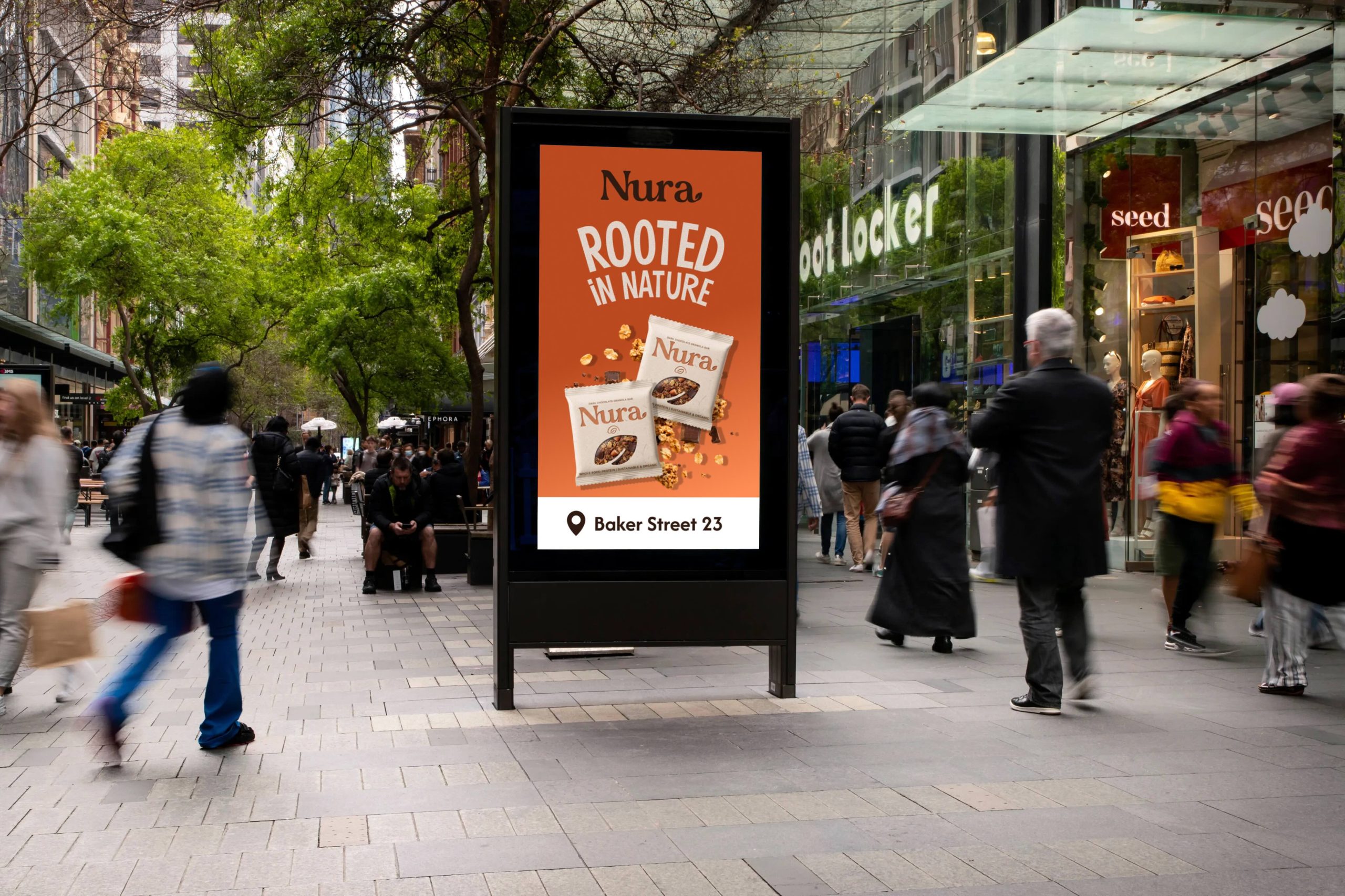
The research shows that adding store locator information to DOOH ad creatives, in order to help customers discover and navigate their way to physical store locations, can increase visit and purchase intent. However, the extent of that effect depends on where the information sits in the advert, how it’s designed and the category of business behind the campaign.
The study tested advertising creatives for three store locator placements, with location information placed at the top, middle and bottom of the ad, and a control unit without any location details. They ran across Retail, Quick Service Restaurant (QSR) and Consumer Packaged Goods (CPG) campaigns.
Key findings from “The store locator effect”:
- Placement within the ad creative matters: Across the study, top and bottom placements consistently outperformed the middle of the creative, where store information competed with headlines and imagery and was more easily overlooked. For CPG campaigns, top placement drove the strongest overall purchase intent lift (20% vs. control), while for Retail and QSR campaigns, bottom placement drove the strongest overall visit intent (9% vs. control).
- The effect varies by category: Store locators had a strong impact across the board, with Retail and QSR campaigns seeing significant lifts in visit intent. The largest effect was observed among CPG impulse-buy products (e.g., sweets and chocolate), where purchase intent rose by over 110%, suggesting that store locators become especially valuable when a purchase decision can be made spontaneously.
- Design is as important as placement: Independent of where store information appeared, creative execution had a measurable effect. Using a familiar location “pin” lifted visit intent by 16%, and applying high-contrast design between the store information and the rest of the creative lifted visit or purchase intent (depending on category) by 10%.
- Additional branding can influence brand recognition: When a store locator prominently featured another brand, such as a supermarket, dealership or retailer, the additional branding appeared to divide attention between the advertiser and the reseller. For campaigns focused on building brand recognition, particularly for newer or emerging brands, this is worth keeping in mind when designing store locator content.
“This research shows that small creative decisions, like where a store locator sits and how it’s designed, have a quantifiably meaningful effect on how audiences respond. When thoughtfully considered, a simple store locator becomes a measurable driver of consumer intent,” said Martine Hammink, VP, Creative Studio & Creative Solutions at Vistar Media. “It’s not a one-size-fits-all approach, but we hope this study gives brands and creative teams real evidence to make their creative outdoor advertising decisions more intentional and impactful.”
Roos Goesz, OOH Director, Omnicom NL, said: “With Programmatic DOOH and DCO, we can deliver outdoor ads far more efficiently at the right place, time, and moment. That means better visibility, attention, and engagement. This study gives us the solid backing and real insights we need. Seeing how dynamic solutions like store locators perform lets us shift from ‘using potential’ to ‘proving real value’.”
The complete “The store locator effect” report is available here: vistarmedia.com/the-store-locator-effect-research
Source: Vistar Media

Vistar Media Research Finds Inclusion of Store Locators in DOOH Advertising Directly Impacts Visit and Purchase Intent added by newsroom on
View all posts by newsroom →
You must be logged in to post a comment Login