For World Down Syndrome Day 2026, CoorDown presents the international awareness campaign created in collaboration with the New York agency SMALL.
What happens when words about disability are used as insults or to make people laugh? The problem is not simply the use of “one wrong word”. The deeper issue is the ableist imagery that language reinforces and reproduces: in everyday conversations, in the media, within institutions. When disability becomes an insult, a metaphor to degrade, or a punchline, people are reduced to stereotypes and emotional shortcuts that dehumanise them.
This has real consequences: it reinforces stereotypes, legitimizes discrimination, and makes full participation in all areas of life more difficult, if not impossible, for people with disabilities.
Every culture has its own vocabulary of exclusion. In English-speaking countries, the term “retarded” (often referred to as the ‘R-word‘ for those who want to avoid saying it) is used. In Italy, words such as “ritardato” or “mongoloide” carry similar stigma, as does the derogatory use of “retardé” and “débile” in French; or “retrasado” or “mongólico” in Spanish.
Despite linguistic differences, the pattern is the same. These words are never neutral or harmless, they are not “just jokes”. They produce real harm for people with Down syndrome, and for all people with disabilities.
For World Down Syndrome Day, 21 March 2026, CoorDown launches the international awareness campaign “JUST EVOLVE”. The campaign calls on each of us to take a cultural step forward: to leave certain behaviours behind in the past, those words of disability used to insult, ridicule or degrade. This is a call to action for all people, schools, organizations, companies, institutions, and the media to evolve our language to create substantial change in every community. Because choosing more inclusive language is not just simply a matter of courtesy: it is an act that builds a fairer world in which everyone is recognised with dignity and respect.
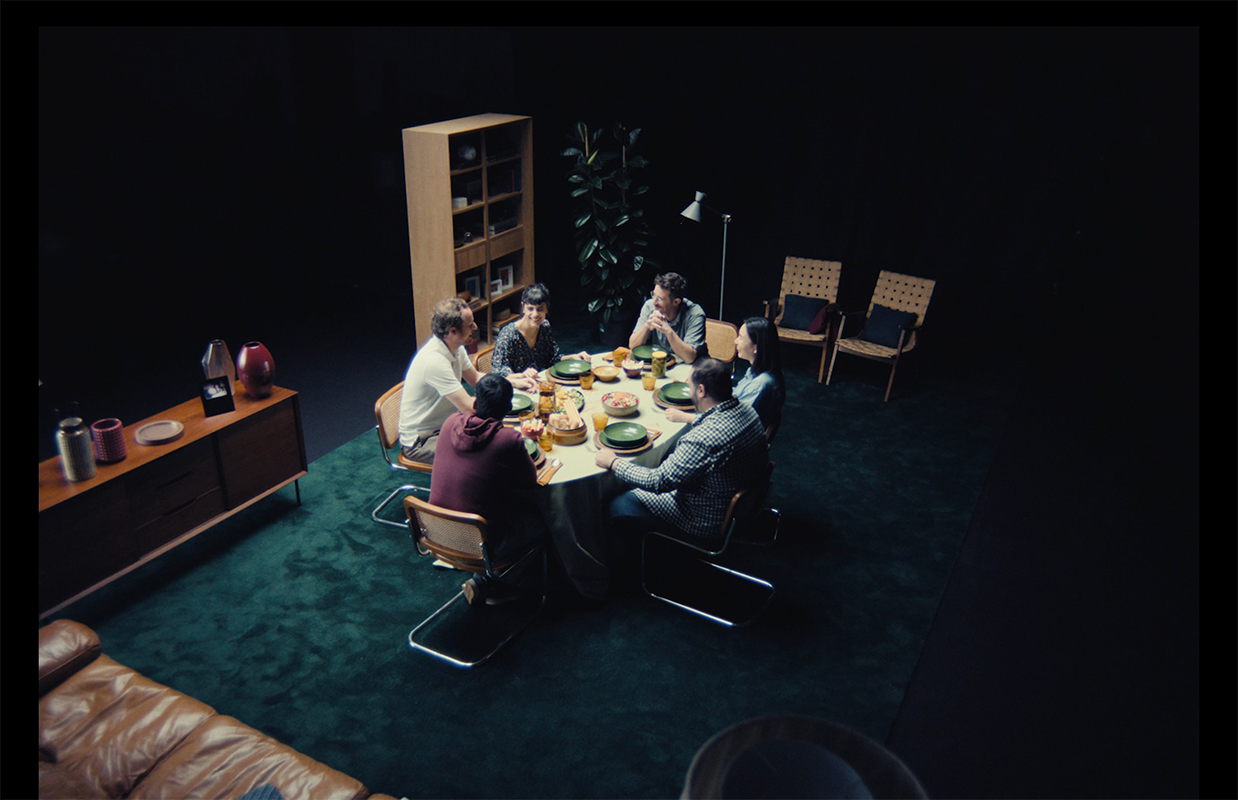
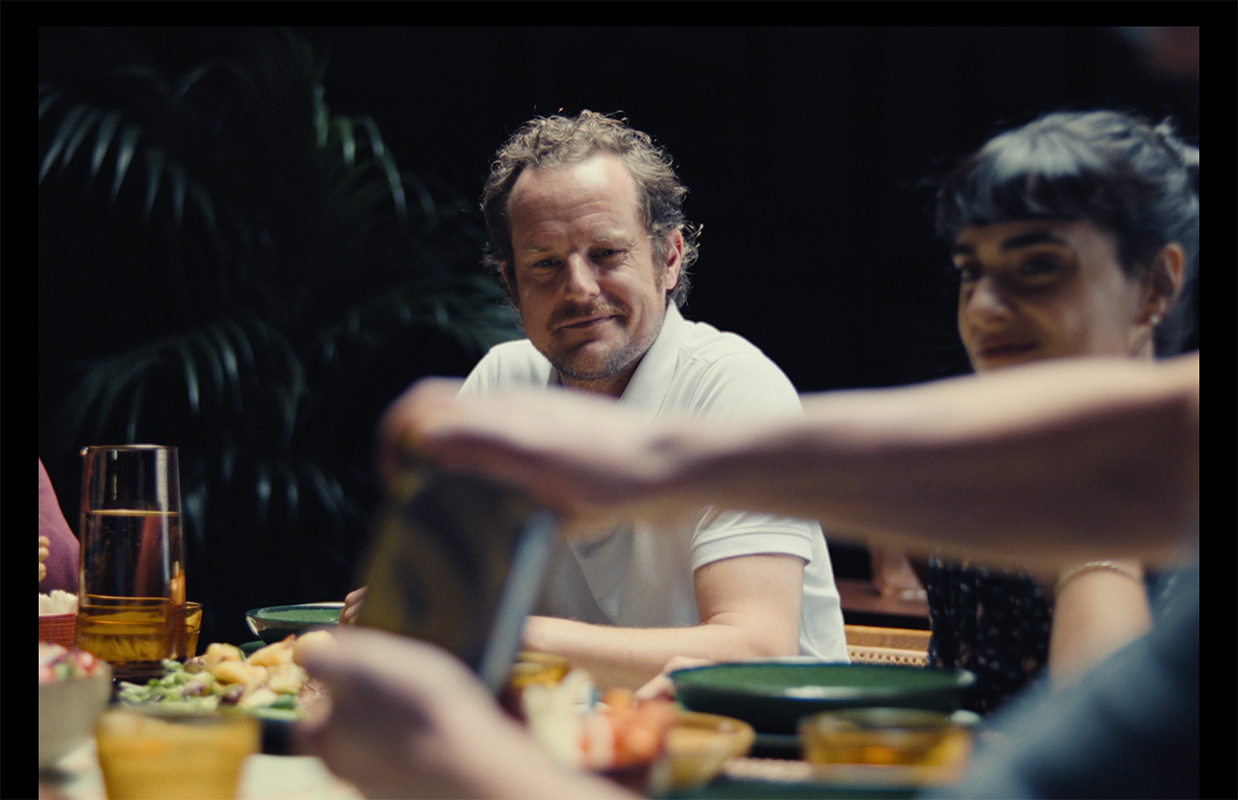
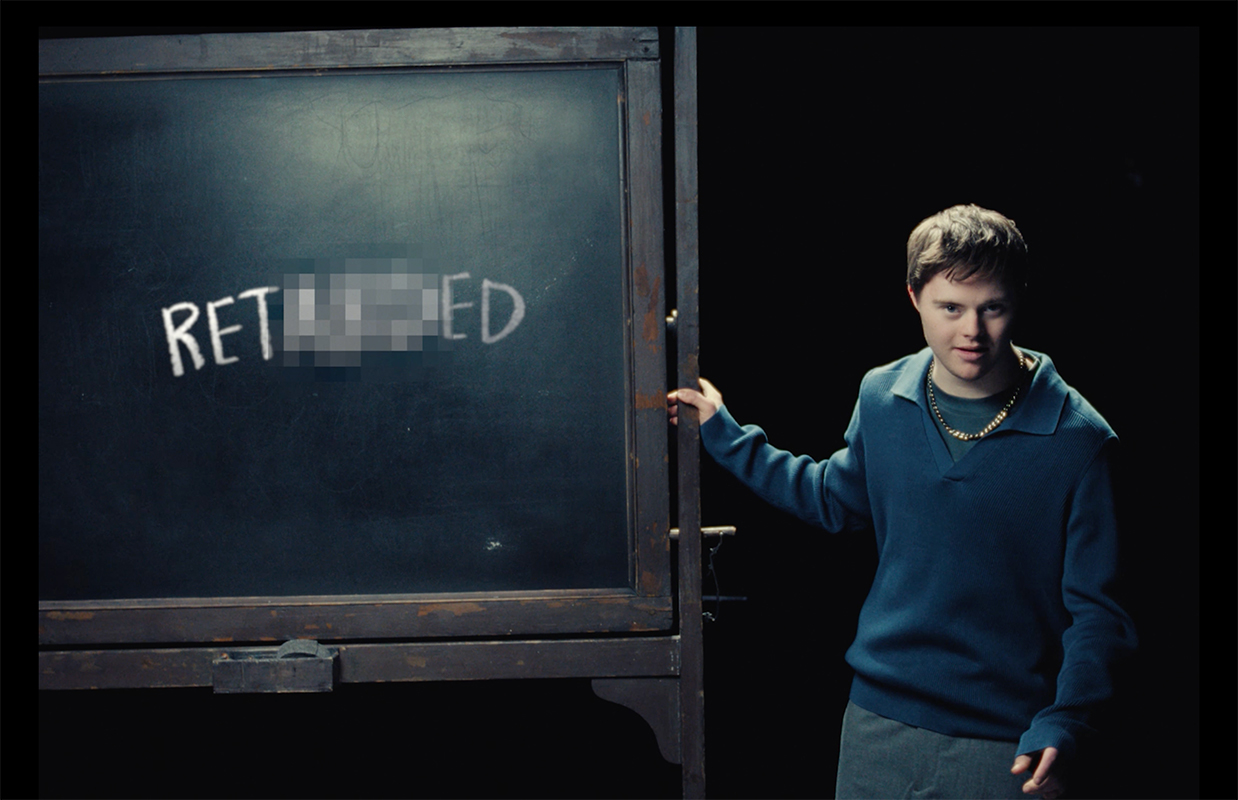
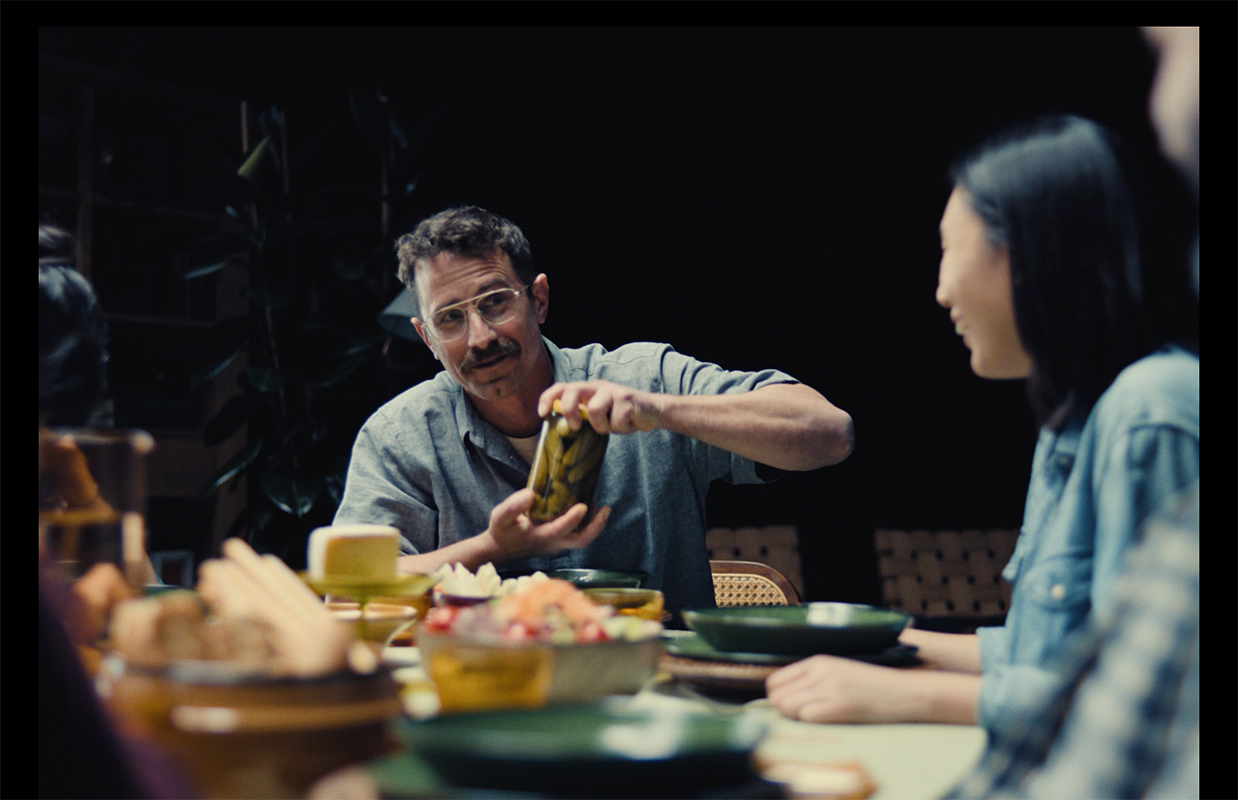
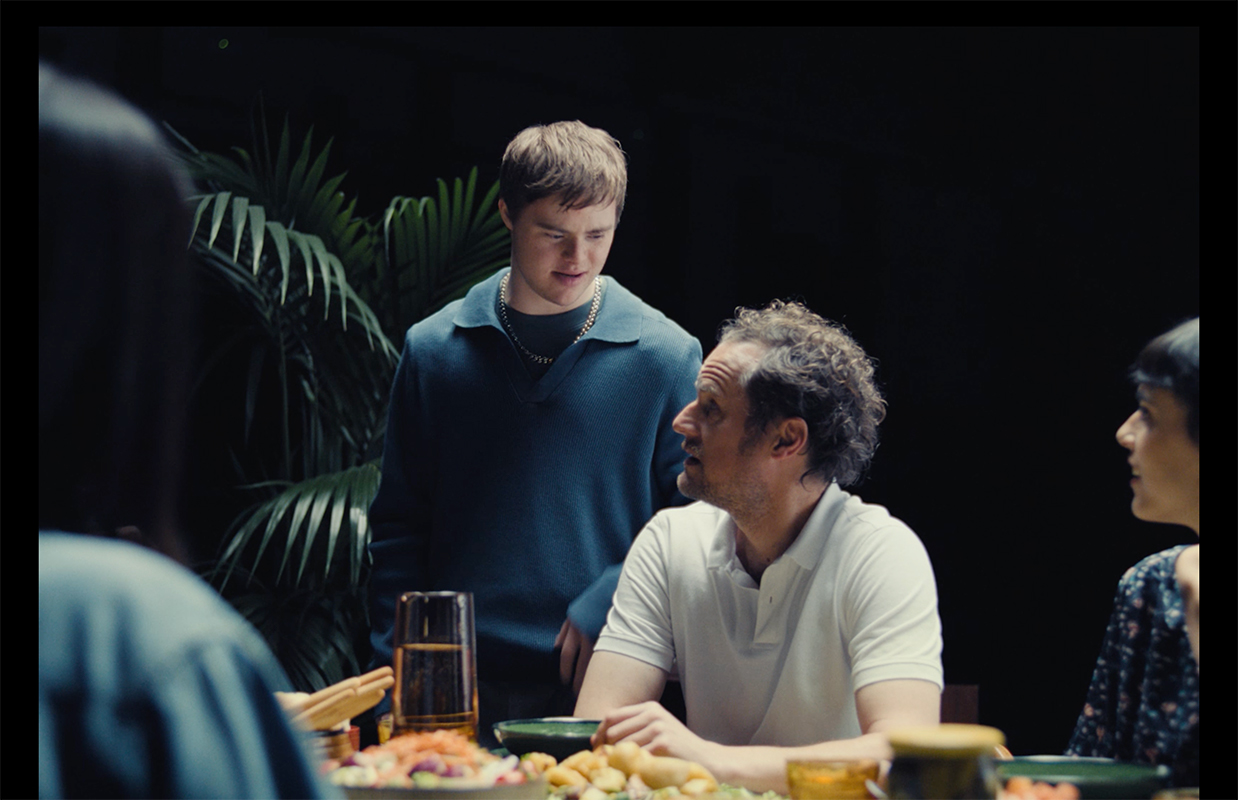
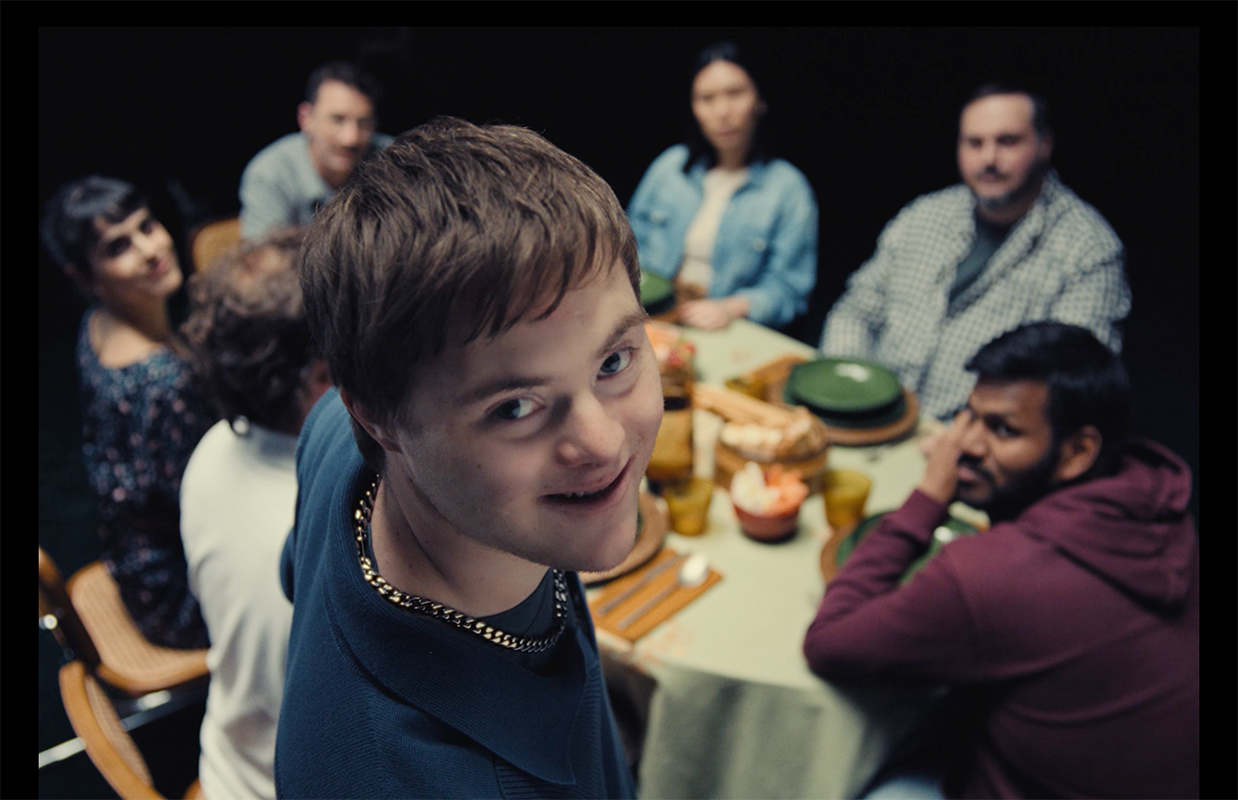
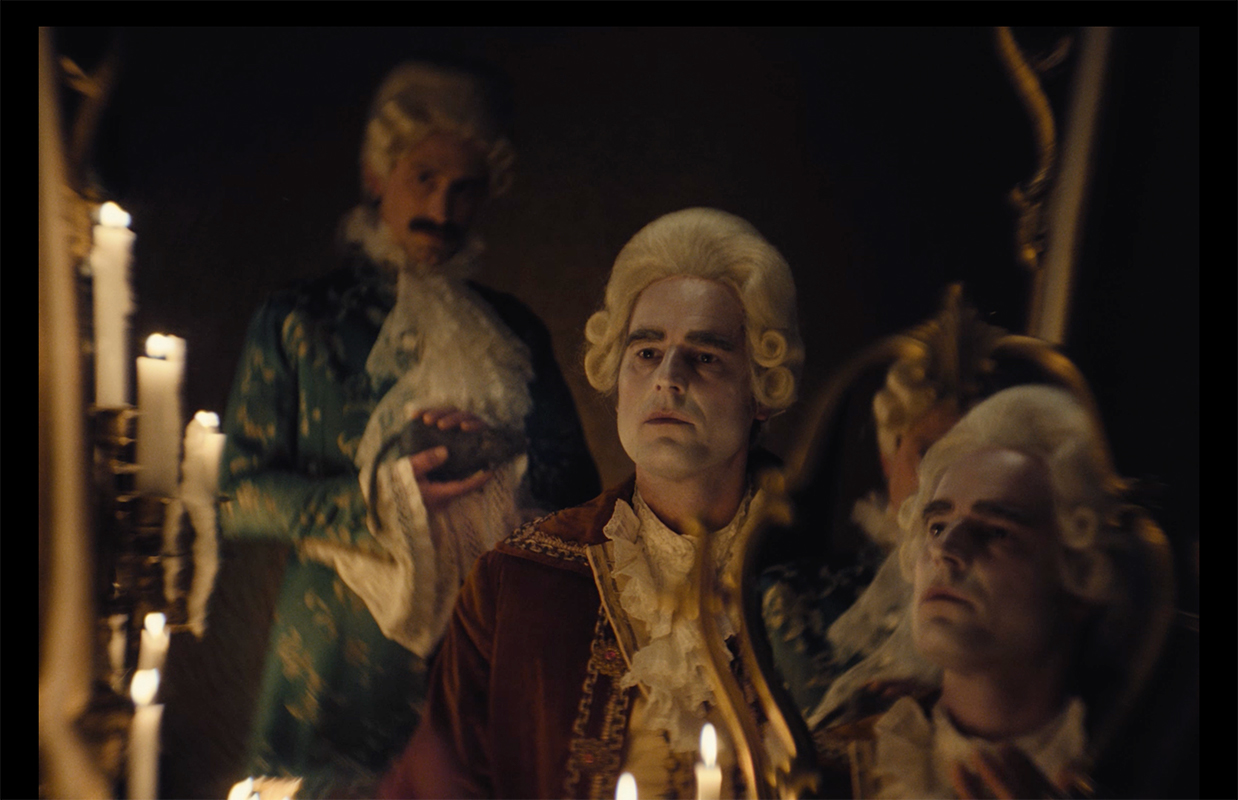
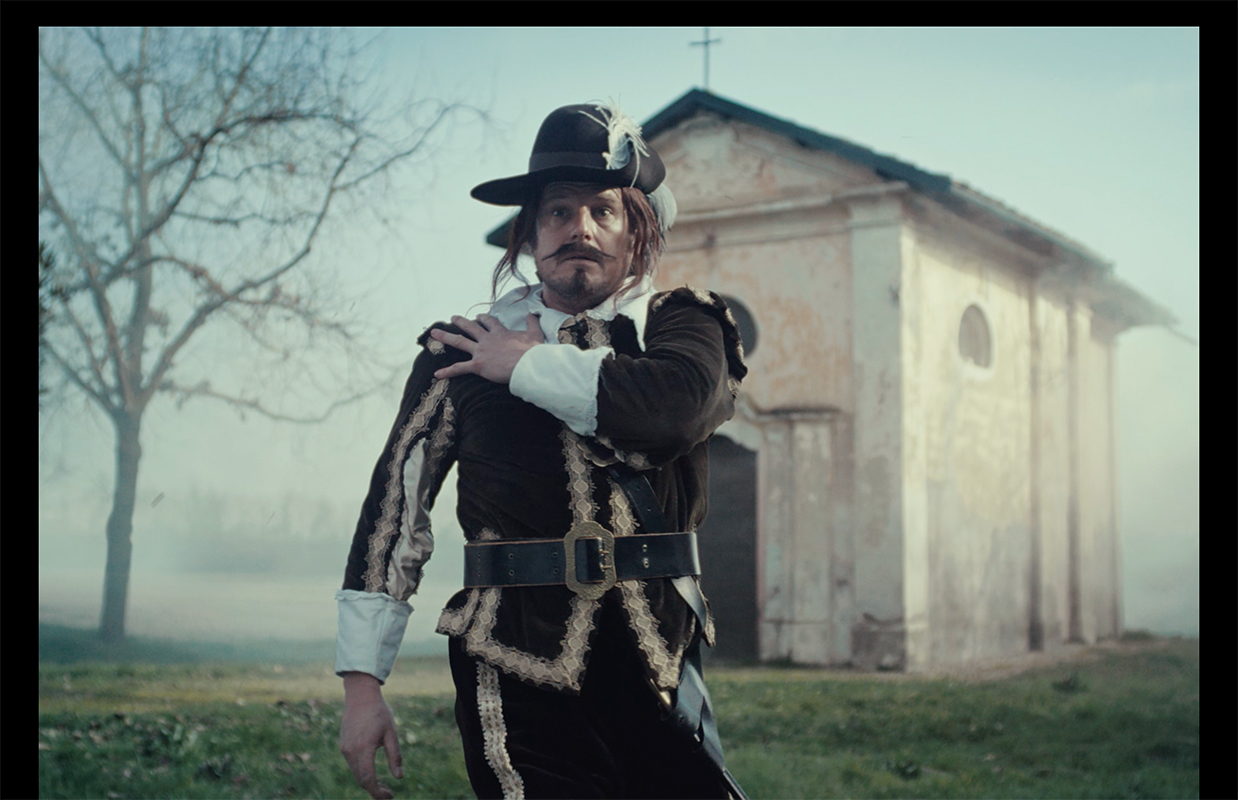
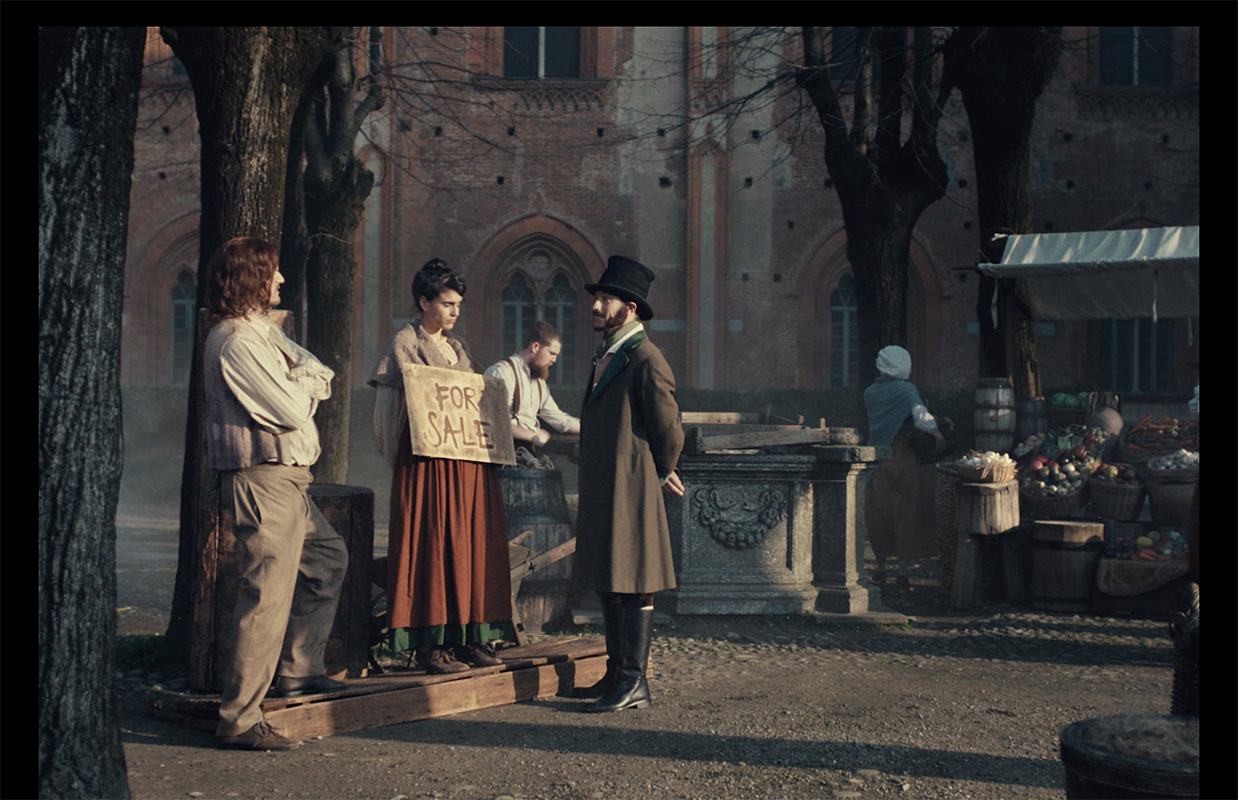
The JUST EVOLVE Campaign. The campaign asks a simple question: if society has been able to leave harmful “old habits” in the past, why should it be so difficult to abandon words that harm? This is the idea at the centre of the film “JUST EVOLVE”. In a sarcastic and sharp tone, the protagonist — a young man with Down syndrome — explains to a man defending his “freedom of speech” why the “R-word” should no longer be used. As the conversation unfolds, the viewer is confronted with a series of historical practices that today seem absurd, disturbing or cruel— such as washing clothes with urine, applying eyebrows made of mouse hair, or selling one’s wife at the market. The film draws a clear parallel: just as we have left those practices behind, we can also leave behind the “R-word” and all the other words that harm and demean people with disability. It’s time to evolve and move on. Because if we keep using these words then — as shown in the film — it is like continuing to wash clothes with urine!
The message of the campaign is simple: leave the R-word — and offensive language about disability — in the past. Because we evolve. And our language should too.
From today and until 21 March, @CoorDown social media will host and amplify stories of people with disabilities and their families, in which they recount which habits of the past have been overcome and how it is time to evolve.
In addition, CoorDown has created an AI agent — curated by Fairflai — trained to guide users who want to understand more about the topic and take action, finding concrete actions to carry out in order to create a culture of respect and inclusion starting from language. With the “Just Evolve” campaign, CoorDown engages companies, media, schools and teachers, families, groups of friends and associations, asking them to commit and become part of the cultural change needed to overcome the “R-word” once and for all. As a first action, CoorDown has joined the petition launched by OMAR, Osservatorio Malattie Rare, which with an open letter asks to change the word “minorati” in the Italian Constitution.
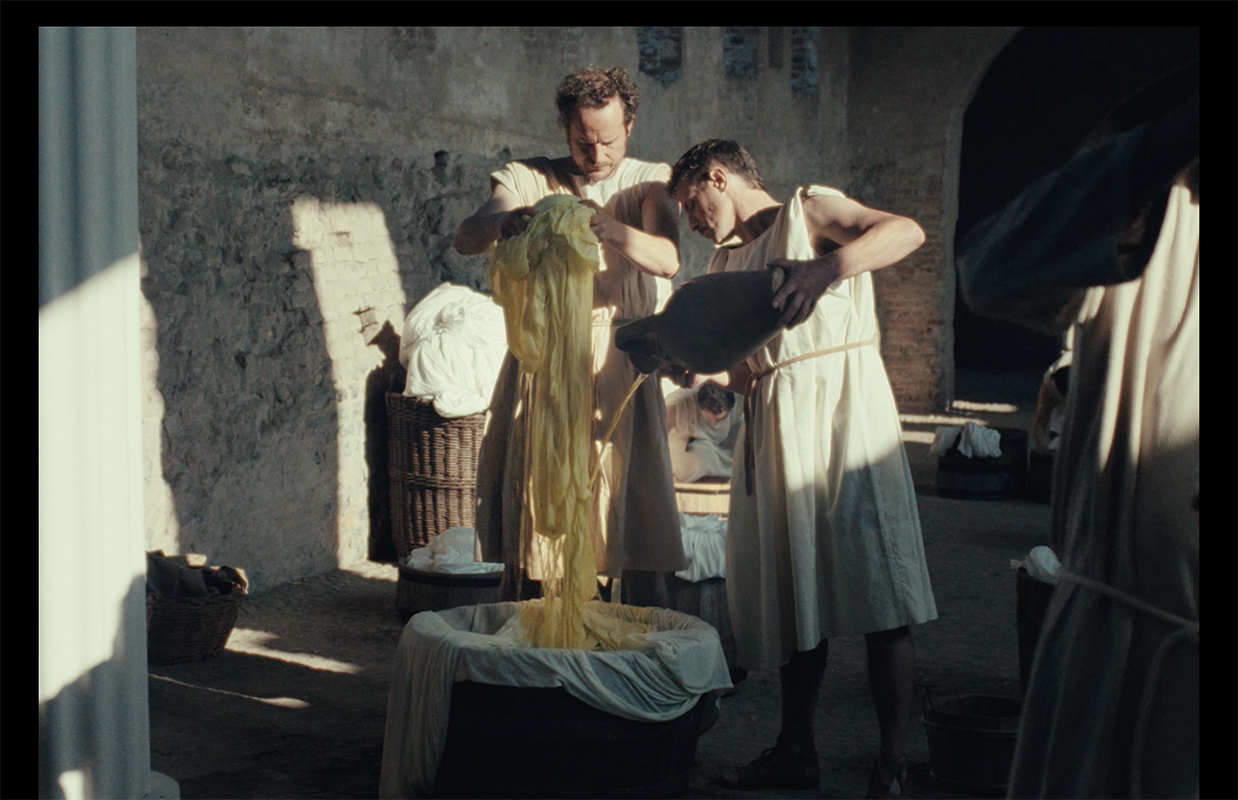
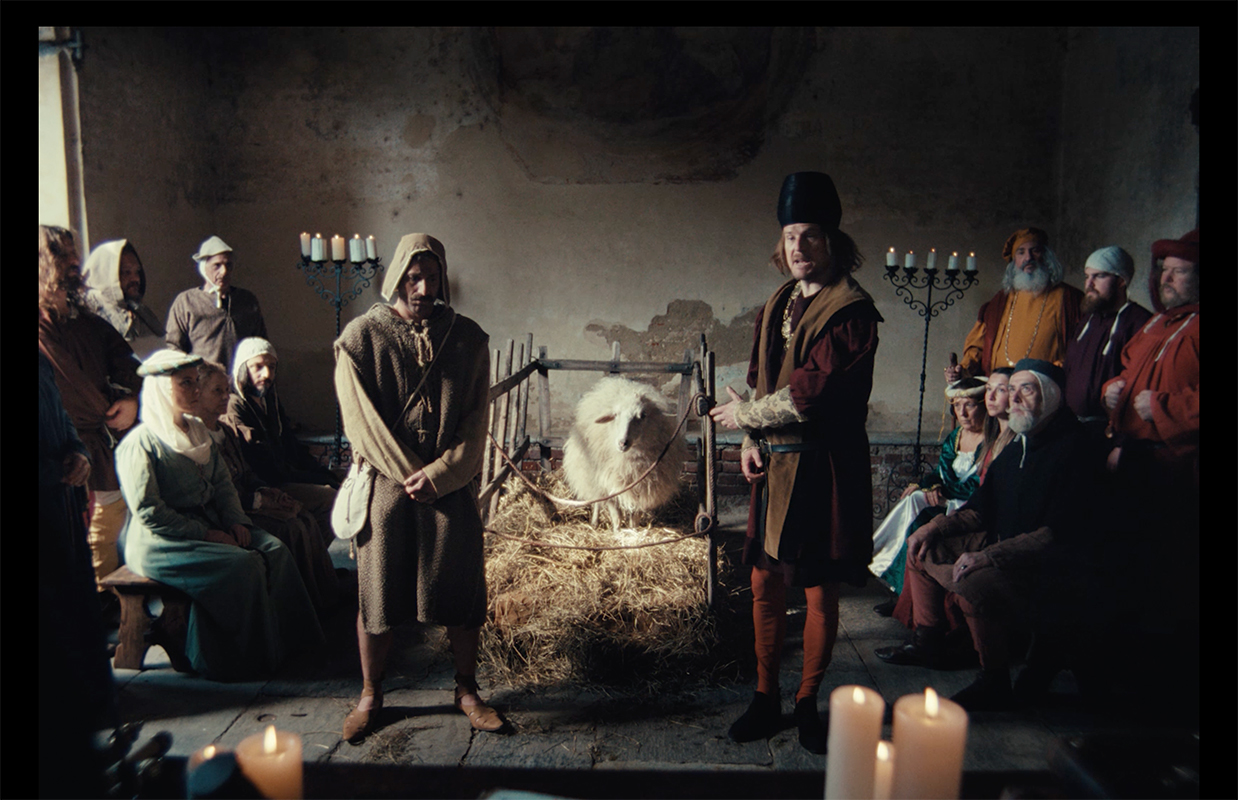
Where does ableist language come from? Many of the words now used as disability slurs did not begin as insults. Terms such as “mental retardation” and “mongolism” emerged in the 1900s and the 1800s, in medicalized contexts initially, and were once considered acceptable. Over time these words migrated into everyday language where they were increasingly used to ridicule, demean and dehumanise. Language used this way became a tool of exclusion.
For decades, disability awareness campaigns have worked to reduce or eliminate the use of these words; change seemed possible, and yet we are witnessing a worrying resurgence. People in positions of power and influence, including politicians CEOs, famous podcasters, comedians, stand up comedians, influencers, have started using these words again, often framing them as jokes or as examples of “free speech”. The month of November 2025 alone saw a 200% increase in usage on the social media platform X (Montclair State University data). This renewed visibility helps to legitimize the use of these words across every area of social life: at school as an insult between students, at work as a joke among colleagues, in sports as shorthand for failure.
Most people believe there is only a problem when this word is directed at a person with a disability. That is not the case: the harm does not depend on the target of the insult. Because when disability is used as a metaphor for weakness or failure, it reinforces the idea that disability itself is inferior or laughable. This is hurtful and dehumanising to people with disability because it helps sustain the stereotypes and prejudices they continue to face everyday. And the harm is not individual: it is collective. The problem is not only how a person may feel when hearing it, but the cultural damage it produces.
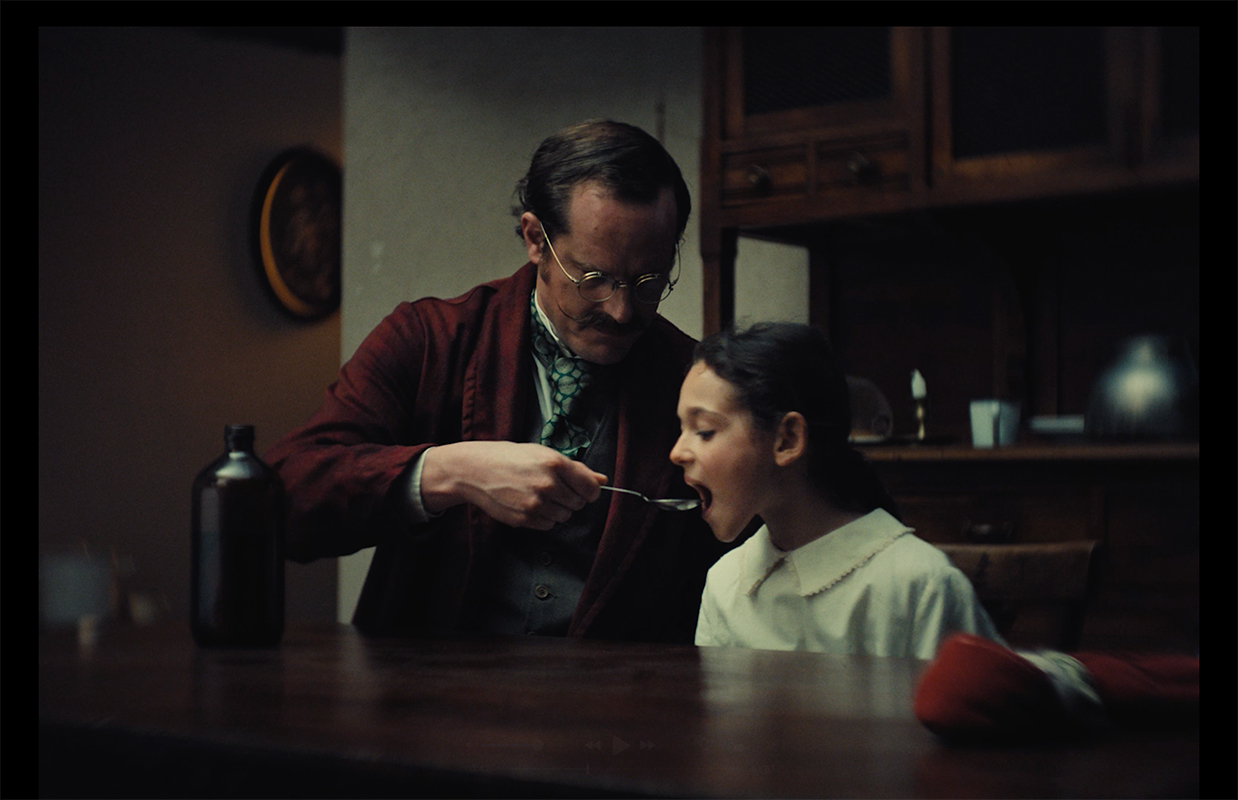
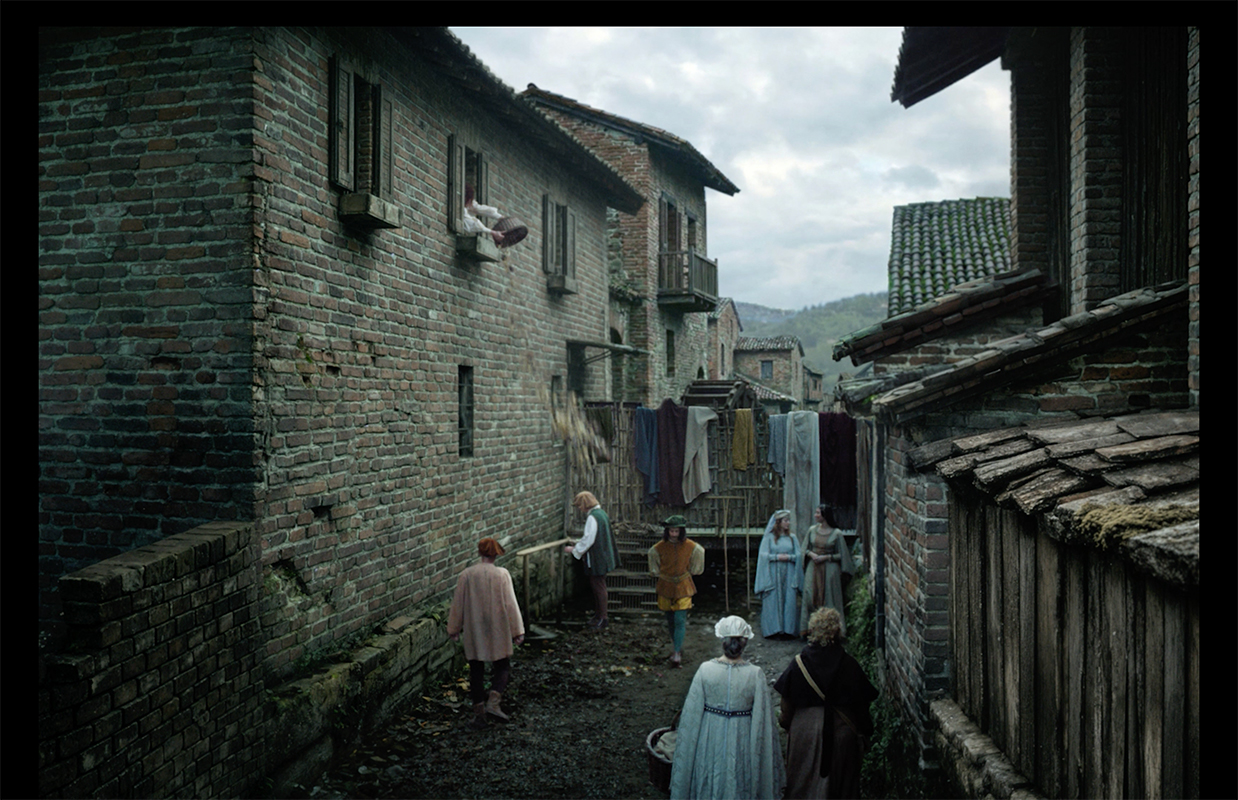
“JUST EVOLVE” is available on the YouTube channel and all the social platforms of CoorDown and its partners. For the film, an international professional cast was chosen, with 19-year-old Noah M Matofsky, a young English actor with Down syndrome, as the protagonist. The campaign was born from the collaboration with the New York agency SMALL and was produced by Indiana Production, directed by Martin Holzman, with cinematography by Alvar Riu Dolz. The music was composed and produced by Stabbiolo Music.
The international campaign was born in Italy with CoorDown, and is supported by Fondazione Cariplo with the contribution of several international associations that strengthen its impact globally: National Down Syndrome Society, Down’s Syndrome Association UK, Canadian Down Syndrome Society, The Achieve Foundation, Together Academy, Global Down Syndrome Foundation, Down Syndrome International, AOJ Woods Foundation, New Zealand Down Syndrome Association, Down Syndrome Australia.
The campaign has also received the support of Fondazione Compagnia di San Paolo, AB Mauri Italy Spa Società Benefit and Eco Demolizioni s.r.l. Società Benefit and the City of Vigevano.
A video version with audio description and a descriptive transcript were created by the media accessibility company Scribely.
The official campaign hashtags are #JustEvolve #WorldDownSyndromeDay #WDSD26.
Martina Fuga, President of CoorDown, states: “We are aware that 90% of the time people use these words it is not to directly offend people with disabilities. But their use contributes to creating a cultural context that associates disability with inability, failure and marginality. The words we choose shape reality — both that of others and our perception of it — they can include or exclude and clarify or confuse. We want to ask every person who still pronounces these harmful expressions today to stop. Not because “you can’t say anything anymore”. But because they belong to the past.”
Claudia Sorlini, Vice President of the Cariplo Foundation: “A culture that values people allows us to pave the way for concrete actions, to respond to the needs of those directly involved and their families. With the Destinazione Autonomia program, Fondazione Cariplo transforms these principles into tangible activities: the program guarantees the full realization of the life plans of people with disabilities, for access to housing, work, and opportunities for true socialization. Autonomy cannot be a privilege: it is a right of everyone. The commitment is collective and can no longer be postponed. Communication campaigns like this one from Coordown are important to fuel a sharing of values on these issues.”
Luca Lorenzini and Luca Pannese, Executive Creative Directors, SMALL New York: “For many years now, together with Martina, we have been thinking about creating a campaign on this topic. We chose to do it this year, adopting an ironic key that would highlight the absurdity of certain practices of the past. The credit for the success goes to an extraordinary team: to the director Martin, who was able to infuse humor into the historical reconstructions; to Alvar, our Director of Photography, for creating true masterpieces of light; to the set designers and costume designers and to the entire Indiana team for being able to create a work with great aesthetic impact.”
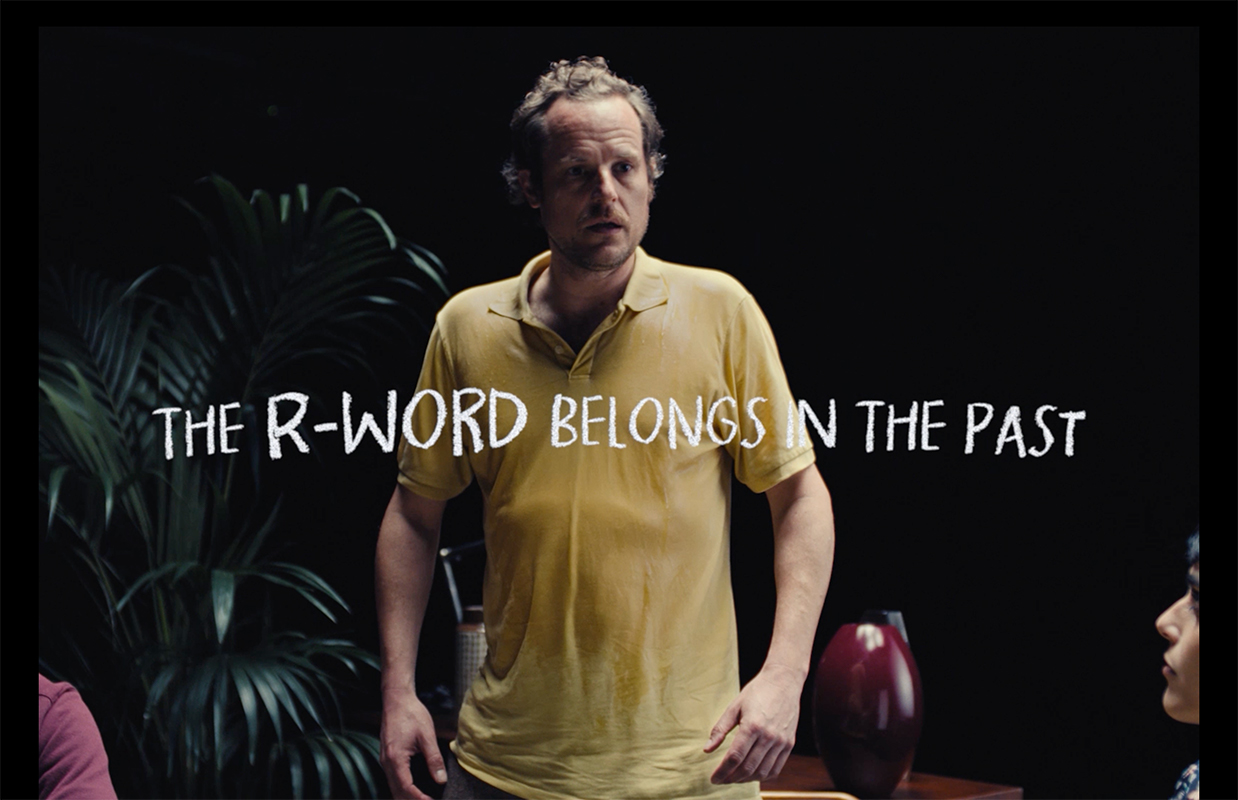
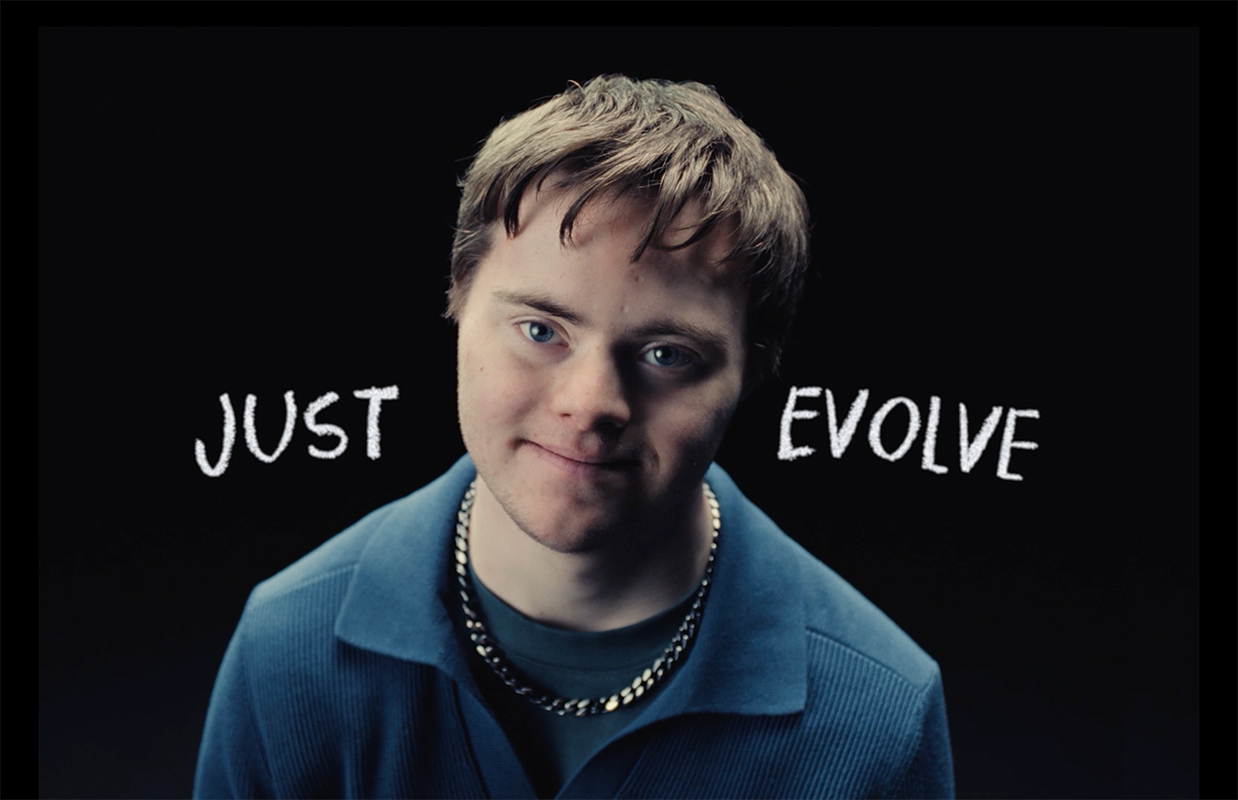
Karim Bartoletti, Partner/MD/Executive Producer, Indiana Production: “This year, once again, we created a film that stands out not only for its insight and creative idea, but also for its tone, look, and crafting. Our guide Noah takes Tim — the “everyday man” who still uses “the R-word” — on a journey through the centuries, showing him episodes from the past that today seem absurd and ridiculous to us, just like that language. With Martín Holzman directing and Alvar Riu’s cinematography, we recreated each era for real, with no digital filters. From the Middle Ages to Ancient Rome to the contemporary setting where Noah and Tim meet, everything was physically built and shot with meticulous attention to set design, costumes, and makeup. This makes Tim’s journey tangible for us as well: by living the past alongside him, we come to better understand the mistake of the present. Our Master of Ceremony Noah makes us smile at the past and reflect on the present. Get it now?”
World Down Syndrome Day is an international event — officially established by a UN resolution — created to spread greater awareness and knowledge about Down syndrome, to create a new culture of diversity and to promote respect and inclusion in society for all people with Down syndrome. The choice of the date 21/3 is not accidental: Down syndrome, also known as Trisomy 21, is characterized by the presence of an extra chromosome — three instead of two — in chromosome pair no. 21 within cells. The theme chosen for 2026 is the issue of loneliness. With the slogan Together Against Loneliness, the message is that loneliness is a serious problem for people with Down syndrome, not just a sad feeling. It is harmful to mental and physical health. At the heart of the Day are examples of how true inclusion can be the answer.
COORDOWN ETS
The Coordinamento delle associazioni delle persone con sindrome di Down was founded in 1987 and formally established in 2005 with the aim of promoting shared communication actions among the various Italian organizations engaged in the protection and promotion of the rights of people with Down syndrome; today it is the official body for dialogue with all Institutions. Every second Sunday of October, CoorDown promotes the National Day of people with Down syndrome and, on 21 March each year, World Down Syndrome Day, also through the production of international communication campaigns that have received global recognition: over 30 Cannes Lions, more than 5 Grand Prix for Good (from Cresta Awards, Eurobest, ADCE and others), numerous Act Responsibly Awards and over 70 international awards—culminating in the prestigious United Nations SDG Action Award in 2024.
Source: SMALL New York

“JUST EVOLVE” The R-word belongs in the past. Stop using it. Just evolve! added by newsroom on
View all posts by newsroom →
You must be logged in to post a comment Login