
With US midterms approaching, politicians across the pond are promising a manufacturing renaissance. Employers, however, have yet to persuade people that a future in manufacturing is a future worth choosing.
By Wybe Magermans, Co-Owner of WMH&I
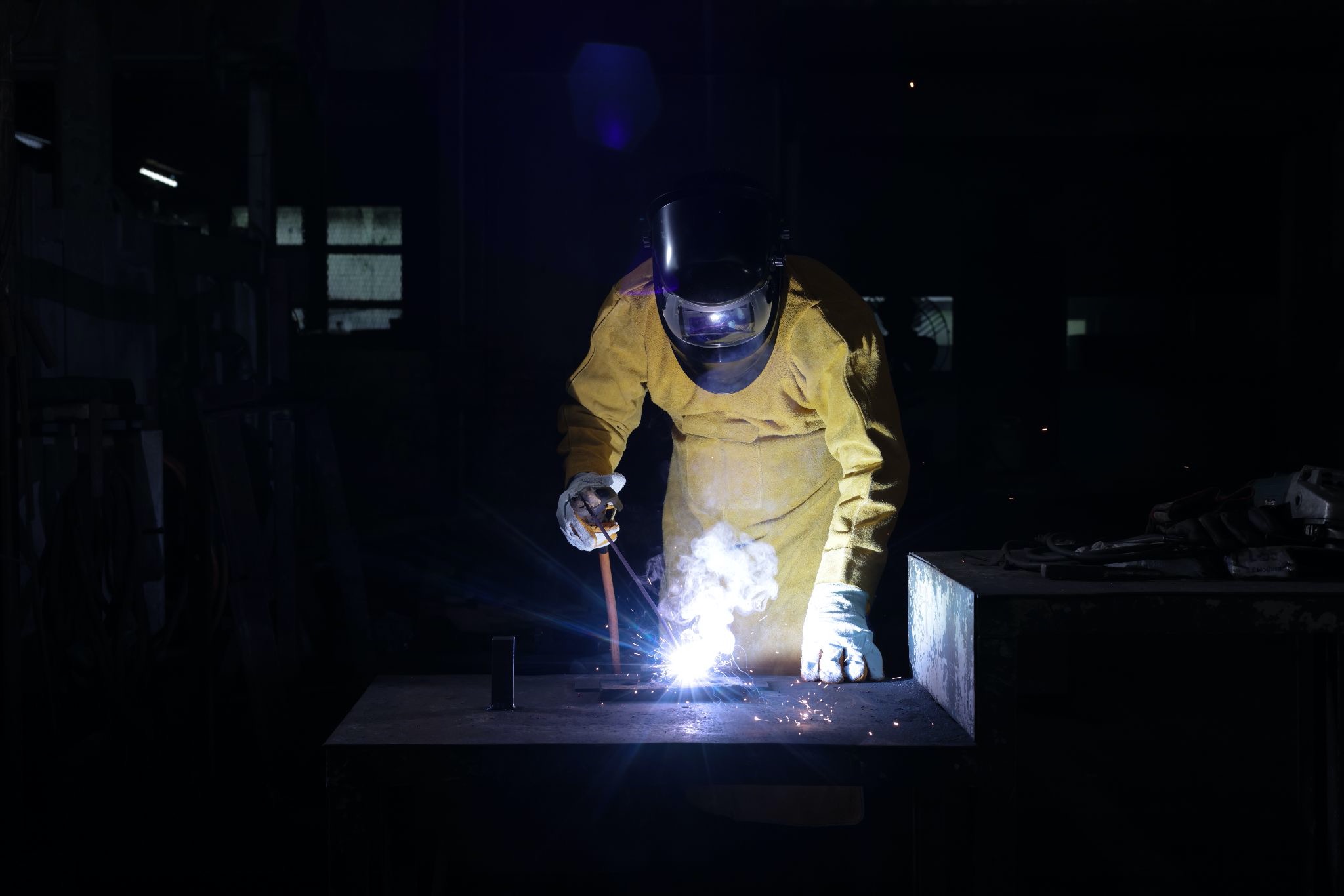
The sight of politicians in high-vis jackets touring plants and inspecting machinery is one we’ve come to expect as America heads towards the midterms. So are the myriad memes of Donald Trump promising the return of production to American soil. Truly supporting American manufacturing does not require endorsing a specific party or politician, but it does require asking a fundamental question: does anyone actually want to work in these promised factories? Persuading people to choose the assembly line is going to take more than a TikTok campaign.
The manufacturing renaissance has yet to show up on US payrolls. Manufacturing lost 93,000 jobs between January and December 2025; by August 2026, only some of that ground had been recovered. Manufacturers are still shedding roles in one town whilst struggling to fill them in another. A vacancy is little use to someone with the wrong skills or a life built hundreds of miles away. Looking ahead to 2033, Deloitte and the Manufacturing Institute estimate that 1.9 million manufacturing roles could go unfilled if skills and applicant gaps persist. Bringing production home is one ambition. Building a workforce to sustain it is a much longer undertaking.
A future worth choosing
Questions of industrial policy are far removed from the personal questions a job seeker might ask. Will the pay support an independent life? What will I learn? Will I have the chance to solve problems and progress? A national ambition becomes attractive when it offers a believable personal future.
How can an employer effectively engage with these job seekers? A photograph of advanced machinery might catch someone’s attention. Showing how they could learn to use it, acquire a qualification and take on greater responsibility gives that interest somewhere to go. An employer promising a future should be able to explain the first steps towards it.
And manufacturers do have compelling material to work with. There is a particular satisfaction in being able to point to something in the world and say that you helped make it. Yet that connection can quickly disappear in a technical product ad. Companies will often explain what they produce in considerable detail, but then leave the applicant to work out why it should matter to them. A factory can be the largest building in town and still be poorly understood by the people passing its gates.
Valmont Industries understands this better than most. It builds complex infrastructure for energy networks and advanced road illumination. But what does this mean for its employees? Energy can’t flow without Valmont’s welders, and roads are brighter and safer through the work of its engineers. Its recruitment campaign places workers within images of the world their products help to sustain. The person, the work and the consequence appear together. Operating a machine becomes recognisable as a contribution to powering a community or helping farmers grow food. The significance was already there; the design makes it visible.

GE Aerospace offers another approach. Its “We were meant to fly” platform connects highly specialised engineers with an ambition almost anyone can understand. In “The Biggest Dream”, engineers and young minds imagine the possibilities of flight. The invitation is to participate in shaping what comes next. And there is serious industrial investment behind that invitation. GE Aerospace announced plans to invest another $1 billion in its US manufacturing sites and supplier base during 2026 and hire 5,000 US workers, including manufacturing and engineering roles. The branding gives that industrial scale a human expression. It connects an individual’s potential contribution with something they can picture and care about.

Give people a reason to stay
Yet this pride in what a company makes can sometimes be met with frustration at how it is run. Workers who are celebrated in recruitment ads should find that their judgement is respected on the factory floor. Someone may understand perfectly why the product matters while feeling that their own knowledge goes unused.
That is why listening must be a part of the employer’s promise. Ask the people doing the work what gets in their way, where their skills are overlooked and what would help them progress. Then act on what they say. Being trusted to improve a process gives an employee a concrete reason to believe their contribution is valued.
There is a clear-cut commercial case for this kind of collaborative approach. Research links strong employer brands and well-delivered employment propositions with lower recruitment costs and lower staff turnover. But such delivery, of course, depends on decisions beyond the marketing department. A recruitment campaign can promise development while production targets leave supervisors no time to train anyone. HR, communications and plant management need to agree on the offer and provide the means to fulfil it.
Employees will notice discrepancies between a recruitment poster and life on the production line far sooner than a brand consultant will. Strong employer branding uses imagery, messaging and visual identity to make the value of manufacturing work clear, supported by evidence of the opportunities available. The strongest brand stories often come from employees who can explain what they have learned, changed and helped make possible.
Manufacturing has supplied American politics with a powerful story. It’s now time for businesses to become accomplished authors of their own stories, giving people reasons to join that remain relevant long after the polls close.
Politicians need a factory visit to look convincing; manufacturers need a working life to be convincing. The politicians’ high-vis jackets will come off after the campaign. Manufacturers, however, need people happy and willing to put them on every morning.
OFF BRIEF
A brand strategist wanders into the real world.

Wybe Magermans is Co-Owner and Director of Strategy & Growth at WMH&I, the award-winning brand and communications agency. He’s interested in the subjects that rarely make it into a marketing brief: the awkward, overlooked and occasionally uncomfortable bits of life that brands would rather not talk about. In Off Brief, he takes a strategist’s eye to the wider world and asks what any of it has to do with brands.

What’s next for “Made in America”? added by newsroom on
View all posts by newsroom →
You must be logged in to post a comment Login