
New KOMMO® dual-task training method connects cognitive and physical exercises to support people living with multiple sclerosis
Multiple sclerosis (MS) is one of the most common causes of neurological disability in young adults, and its prevalence is rising worldwide. As people live longer with MS, demand for effective, accessible neurorehabilitation continues to grow, yet many existing programs focus either on physical function or cognition in isolation. Clinicians and patients have been calling for solutions that better reflect how the brain and body work together in everyday life.
A new neuroplasticity-based exercise technique, developed with insights from advanced MS care teams in collaboration with VML, has opened up fresh possibilities for everyday neurorehabilitation.
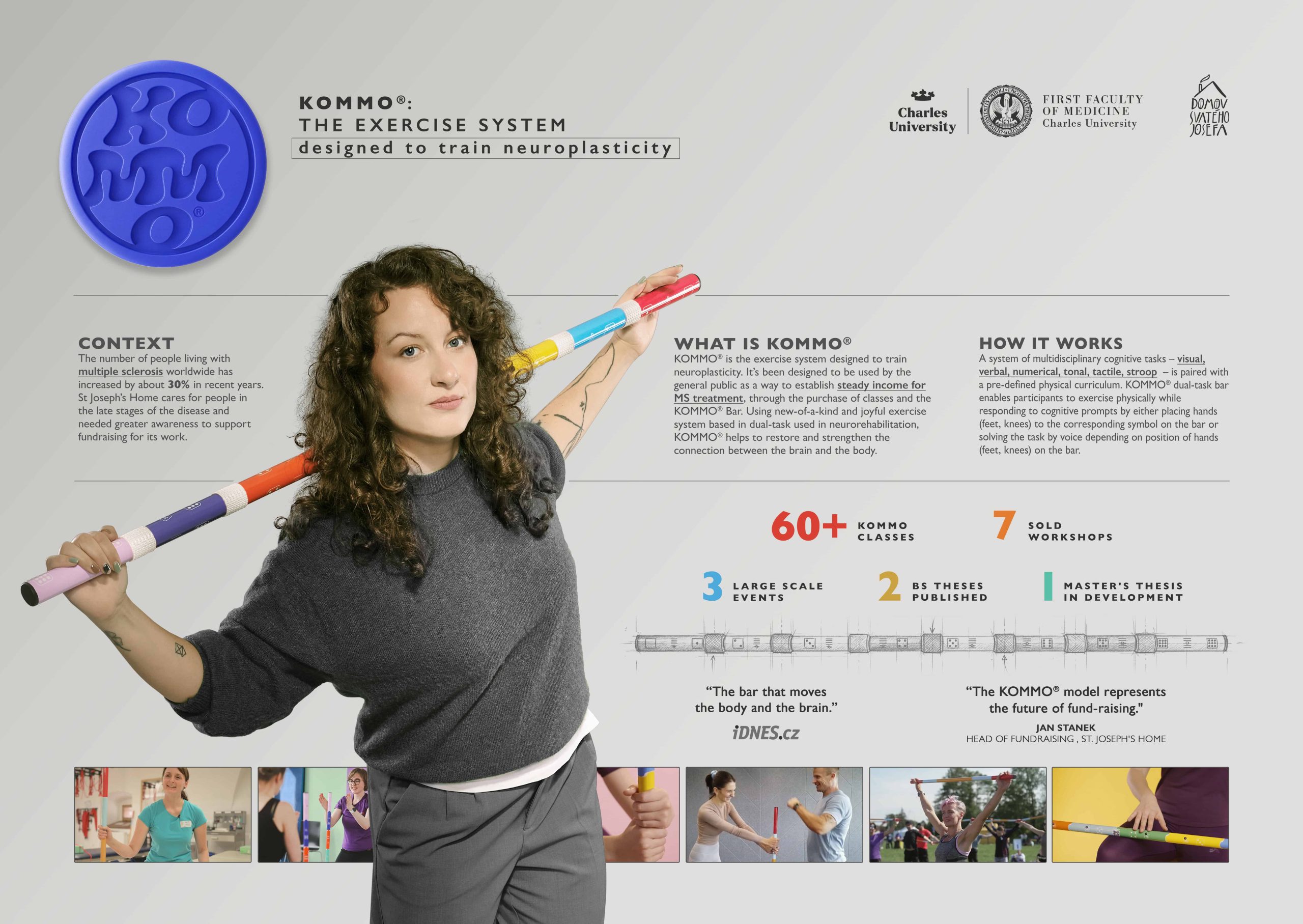
Developed at St. Joseph’s Home, an inpatient facility in the Czech Republic focused on people in advanced stages of MS, in collaboration with the First Faculty of Medicine at Charles University and VML Czechia, the technique, known as KOMMO®, links cognitive and physical tasks to train the connection between brain and body in real-world settings.
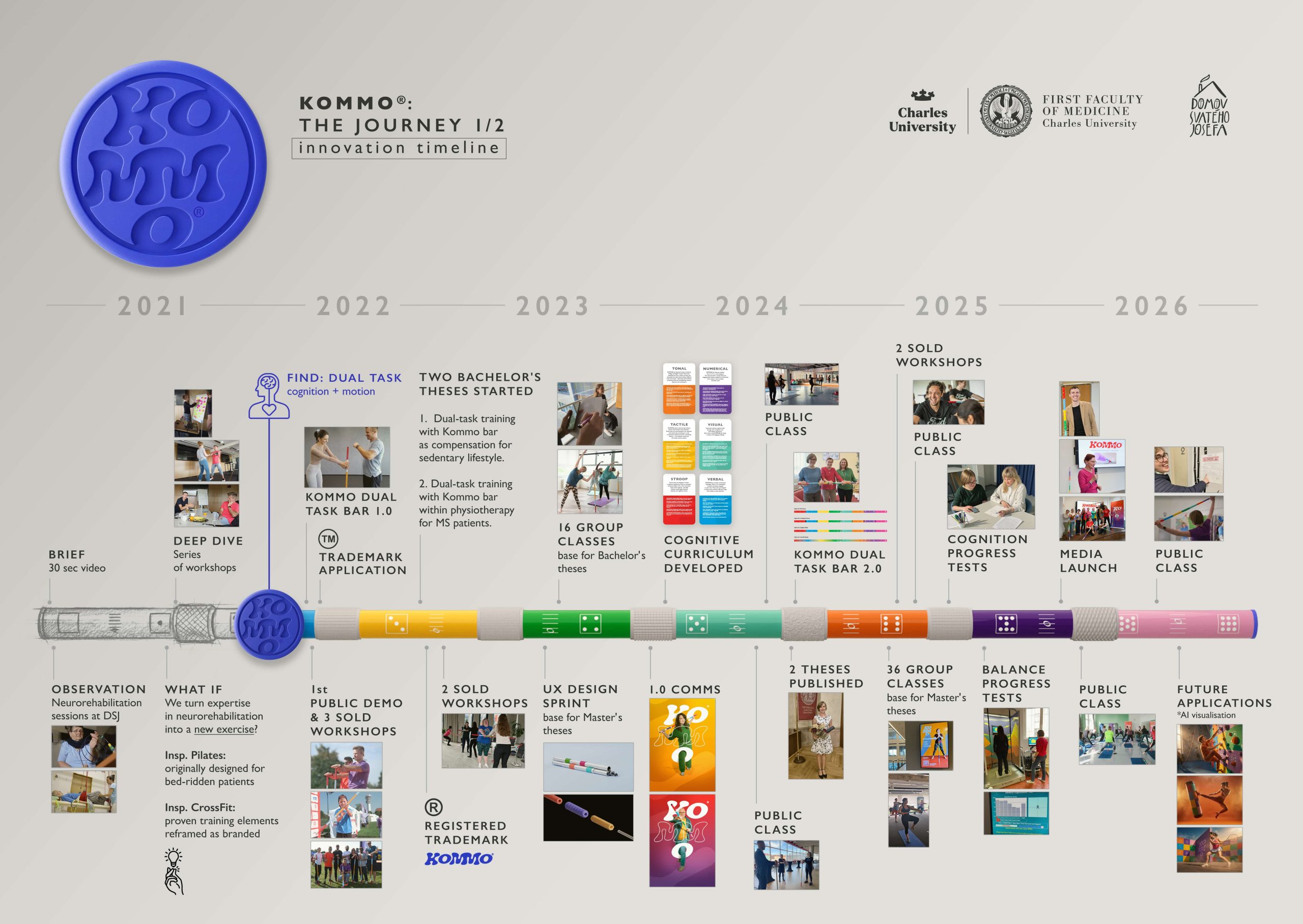
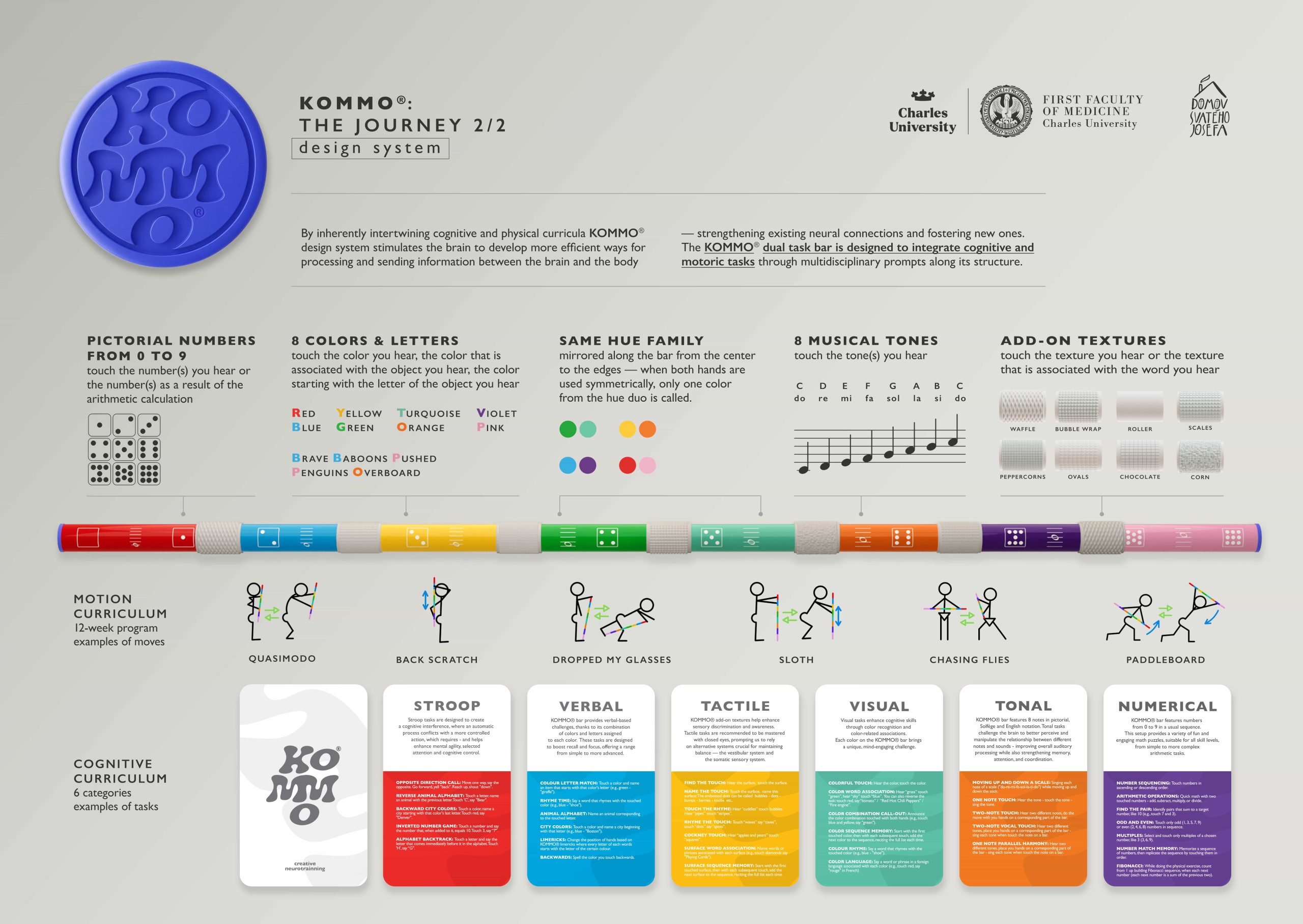
Grounded in the dual-task paradigm, KOMMO® systematically combines movement with cognitive challenges requiring attention, memory, and executive function. The current program consists of six sets of multidisciplinary tasks that blend movement with visual, verbal, numerical, auditory, tactile, and Stroop-type exercises.
“There are still very few exercise methods that systematically connect brain and body function,” said Professor Eva Kubala Havrdová of the First Faculty of Medicine at Charles University, a leading MS specialist and recipient of the Neuron Award for her contribution to science. “KOMMO® can be used with patients at different stages of multiple sclerosis and is also relevant for healthy individuals. Training that connects the brain and the body may have wider preventive value in the context of neurodegenerative diseases such as Alzheimer’s disease.”
“Projects like this only work when they start with people, not products,” said Claire Gillis, CEO, VML Health. “KOMMO® is a good example of our human-first creative approach in practice: we listened to how patients and clinicians live and work with MS, then used creativity to build something useful around their realities. That combination of lived experience and design is what makes this technique powerful and scalable.”
To date, KOMMO® has been tested in more than 60 structured training sessions within an academic framework, forming the basis for ongoing validation and refinement. Several KOMMO® bars are already in use at the MS Centre at the First Faculty of Medicine at Charles University and at St. Joseph’s Home, where physiotherapists are introducing KOMMO® within broader neurorehabilitation programs. Public classes for both healthy people and people living with MS are held annually during Multiple Sclerosis Marathon Week and as part of academic research.
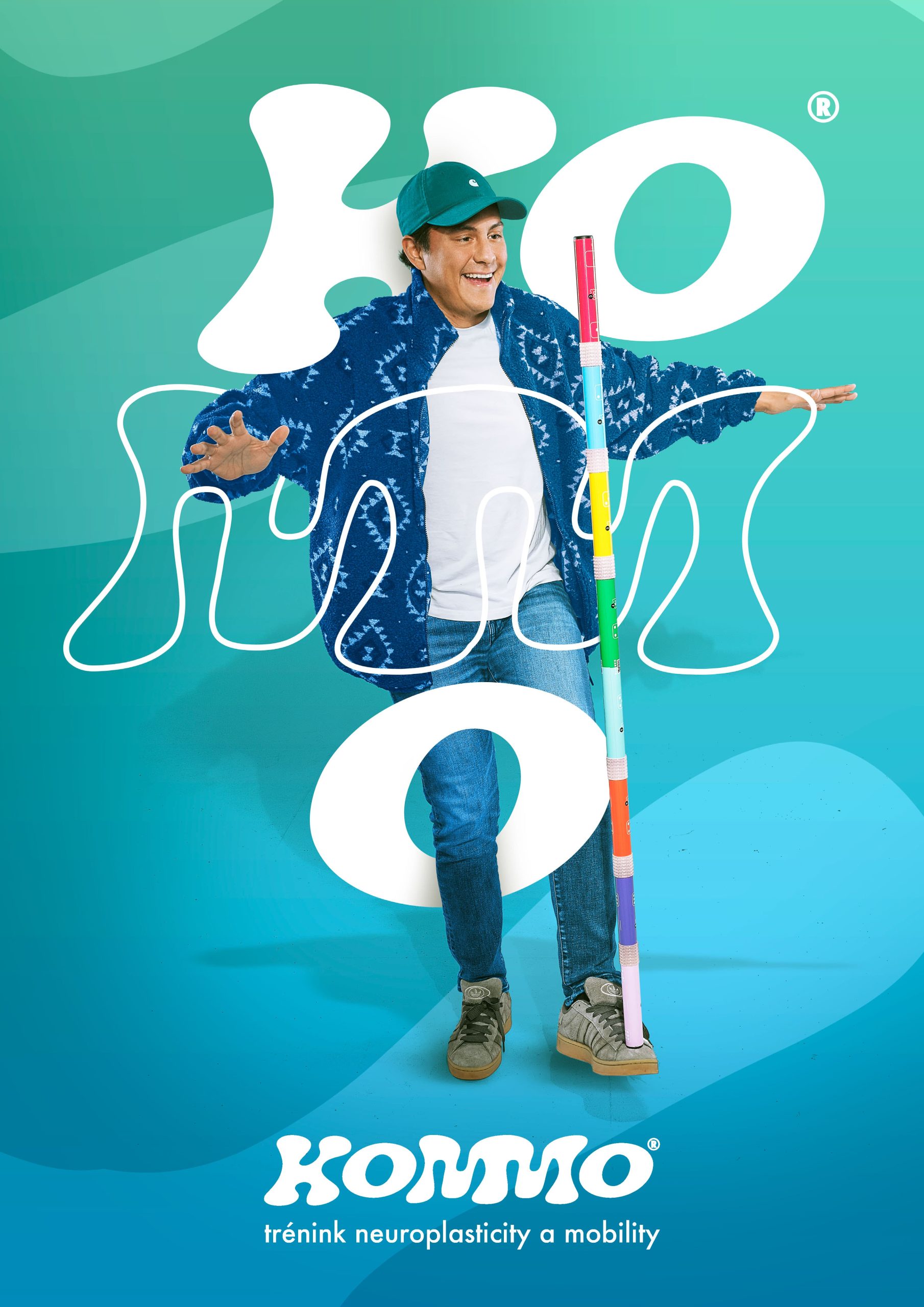
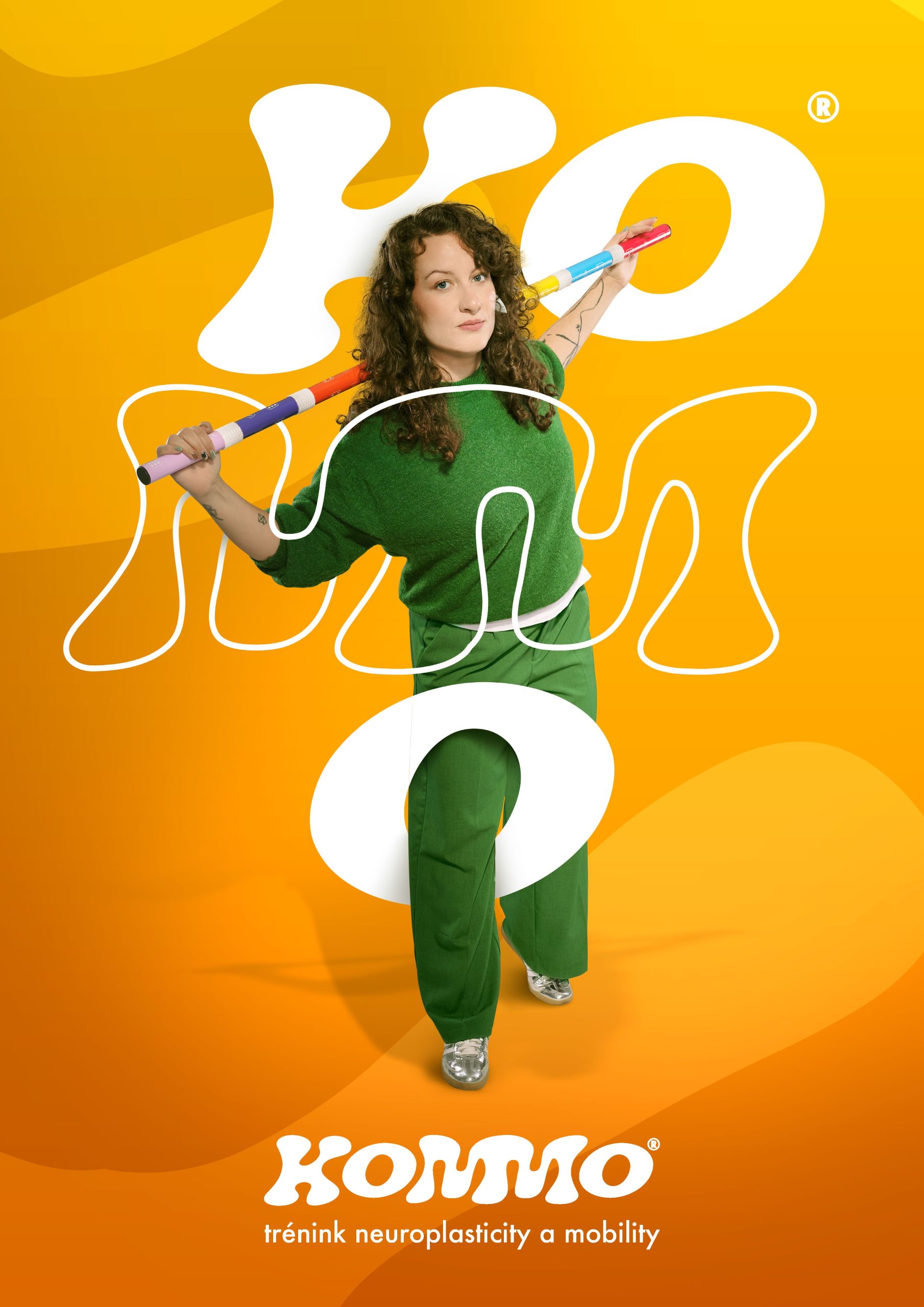
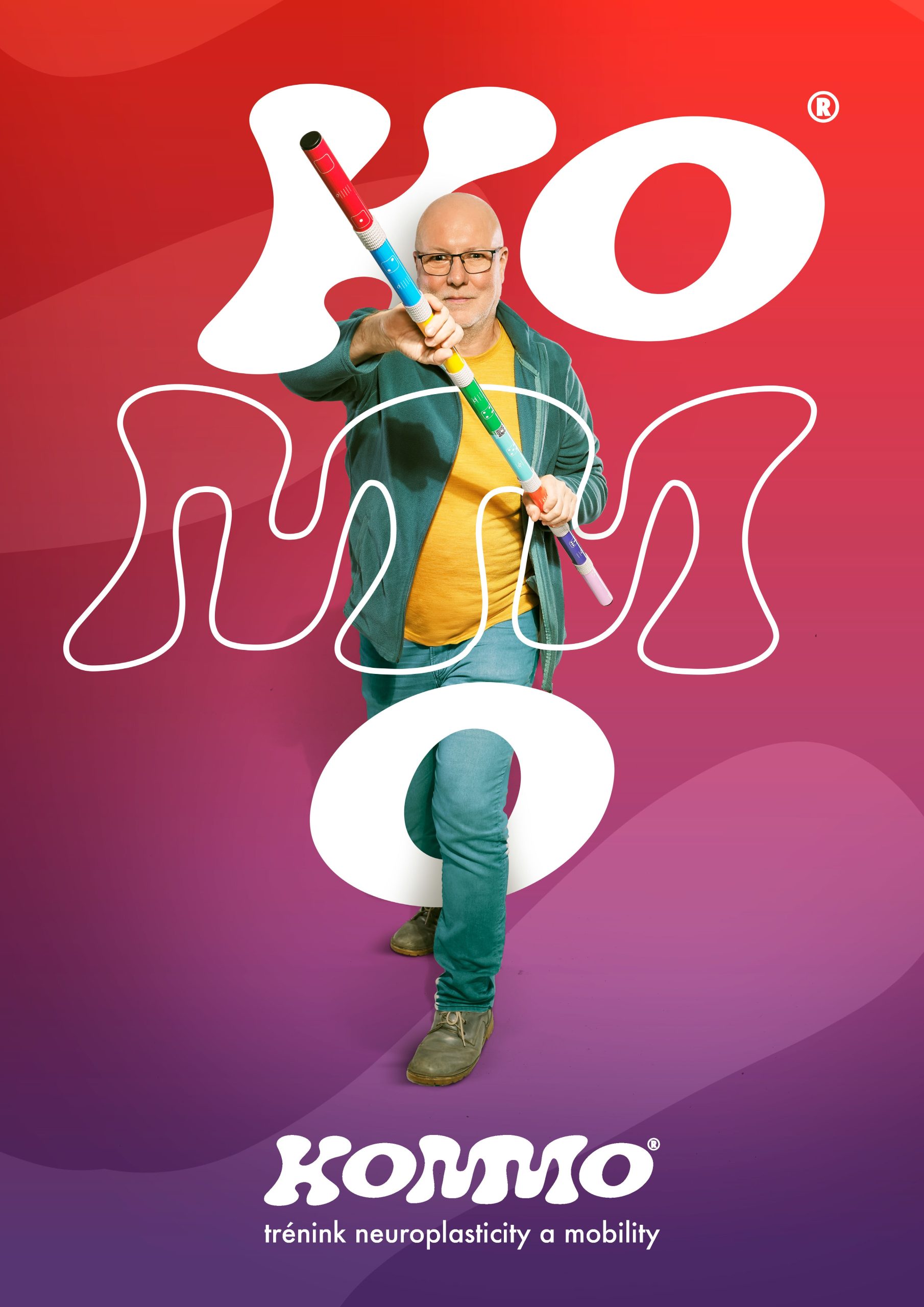
To support delivery beyond specialist centers, the team has also created KOMMO® Office, a 90‑minute workshop format with a curriculum of twelve sessions that has been piloted in several companies. A dedicated dual-task training bar, designed by VML, provides a physical interface for the exercises.
The team behind KOMMO® is now seeking clinical, academic, and commercial partners, including MS centers, neurorehabilitation clinics, research institutions, and workplace health providers, to help further validate and scale the technique internationally.
Source: VML Health

MS PATIENTS AND VML LAUNCH NEW BRAIN–BODY REHABILITATION TECHNIQUE added by newsroom on
View all posts by newsroom →
You must be logged in to post a comment Login