
- Two-thirds (66%) of UK businesses are becoming more vocal about sustainability, choosing transparency over perfection even as global debates around ESG intensify.
- Sustainability has moved from reputation to revenue, with 87% of leaders saying their efforts are now driven by profit and growth, and 80% already seeing a positive impact on the bottom line.
- Nearly nine in ten leaders (88%) say transparent communication is essential for building trust, signalling a shift towards more open, authentic storytelling – even when the journey is unfinished.
UK businesses are embracing a new era of sustainability communications, where honesty and transparency are valued more than polished perfection.
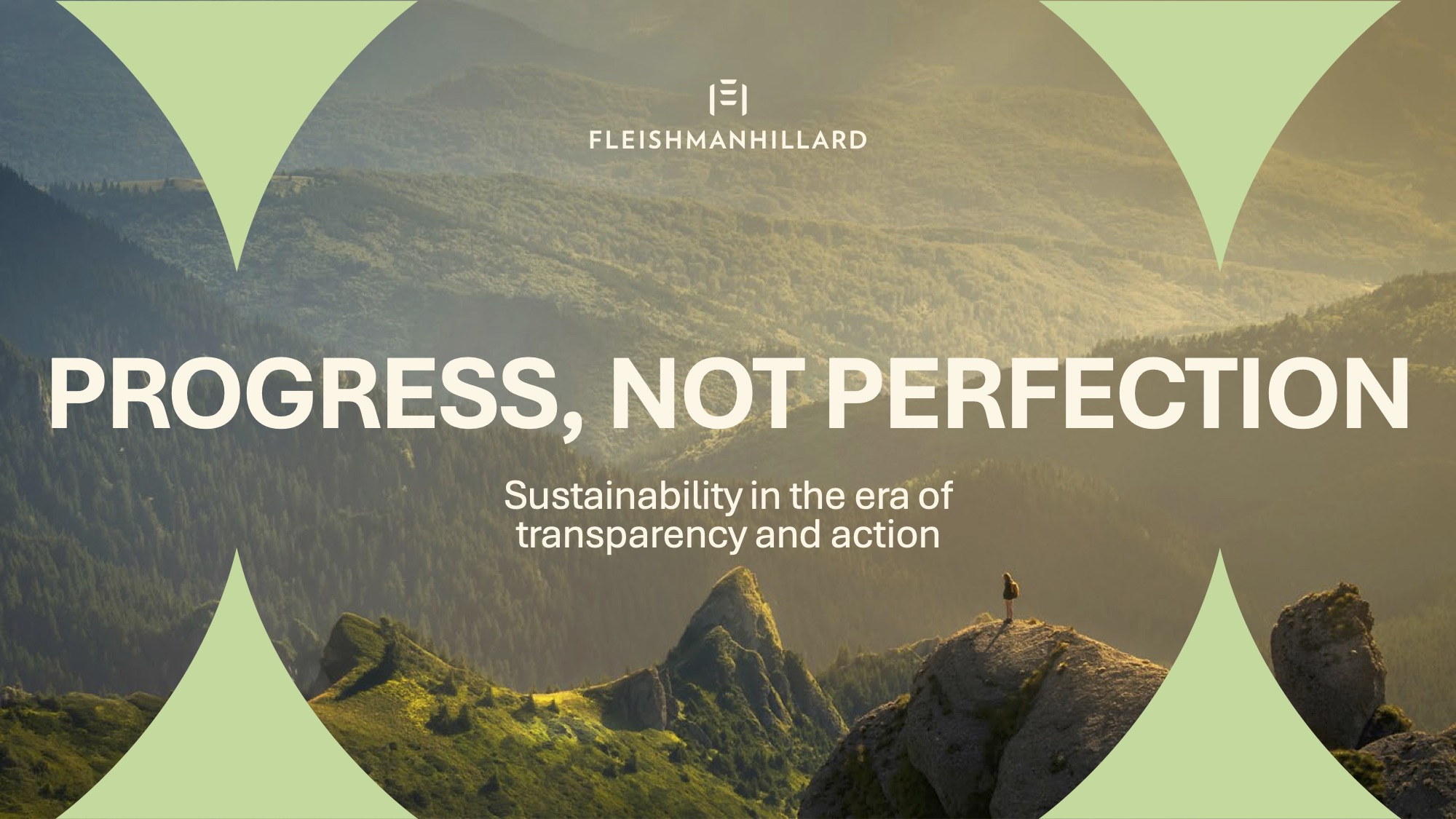
New data from FleishmanHillard UK reveals that despite global divisions around sustainability and a backdrop of criticism, UK organisations are stepping up, not stepping back – refusing to let political polarisation undermine progress. In fact, two-thirds (66%) of leaders report they are becoming more vocal about sustainability as global debates intensify.
From Reputation to Revenue
Commercial benefits are a key driver for this step up, as sustainability has moved firmly into the business mainstream. The report, titled Progress, not perfection: sustainability in the era of transparency and action, finds that 87% of UK businesses now see sustainability as a driver of profit and growth, not simply as a moral or reputational issue. Eight in ten (80%) believe sustainability positively impacts their bottom line today or will in the near future.
For many, it is now a strategic imperative, not an optional extra:
- Half of UK business leaders rank sustainability among their biggest strategic focus areas – ahead of adapting to technological advancements such as AI (45%) and cybersecurity (39%).
- Over the past three years, 48% have increased external sustainability communications, while 61% have stepped up internal messaging. Only 1% say they communicate less than before.
“Businesses are realising that silence is no longer an option and that communicating areas of little or no success has as much value as promoting big sustainability achievements. The organisations earning trust today are the ones telling their stories honestly – showing progress, acknowledging challenges and pivots, and inviting stakeholders to be part of the journey,” said Holly Rouse, Partner and Head of Climate & Sustainability at FleishmanHillard UK.
Clarity and Confidence Amid Complexity
The sustainability landscape and associated stakeholder ecosystem remains challenging and fast evolving. Nearly eight in ten (79%) business leaders say “what good looks like” in sustainability is constantly changing. Over half (54%) admit their own efforts have become more fragmented, while 55% say no single entity is leading the sustainability agenda.
In a world of shifting standards, complex frameworks, and competing voices, the call for clarity and leadership is louder than ever. UK leaders must continue working to cut through the noise and articulate their sustainability stories with confidence – even when the journey is imperfect.
The New Rules of Sustainability Storytelling
The report outlines six guiding principles for communicating sustainability with impact:
- Make the complex clear – Anchor stories in real business priorities and tangible progress.
- Build emotional resonance – Share both achievements and challenges to create connection.
- Lead with authenticity and transparency – Honesty builds credibility and accountability.
- Evolve the language – Move beyond buzzwords to grounded, relatable communication.
- Empower leaders and teams – Equip all voices with confidence and consistency.
- Stay agile – Adapt messaging to cultural and economic context in real time.
Despite greater scrutiny, most UK leaders remain committed to speaking out. Whilst 47% say it’s harder to speak publicly about sustainability today and 40% feel it’s risky – nearly nine in ten (88%) still see clear and transparent communication as critical to building stakeholder trust.
“In a crowded and decentralised landscape, clarity, courage, and authenticity define leadership. Businesses must make the complex clear, share both successes and setbacks, and move beyond jargon to real, relatable storytelling. Transparency remains the strongest defence – against greenwashing, misinformation, and uncertainty. By owning the whole story, including setbacks, businesses can build trust even under scrutiny,” Holly Rouse concluded.
The Progress, not perfection: sustainability in the era of transparency and action report is available to download here.
Source: FleishmanHillard UK

UK businesses are stepping up, not stepping back – choosing transparency over perfection in sustainability communications added by newsroom on
View all posts by newsroom →
You must be logged in to post a comment Login